Monday, January 11, 2010

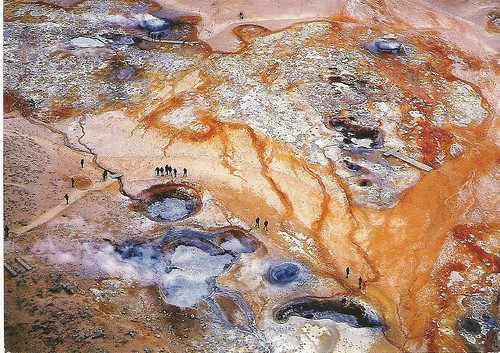
Namaskar pass, Iceland - "the gateway to hell"


Iceland is a beautiful place that is surrounded with a number of geographical wonders that are believed to be immensely distributed in the wide diversity. The indigenous land is also surrounded by a number of wide and open horizons that has all the power to just attract any visitor towards itself with a sense of gravity and independent freedom.

When visiting Iceland you just may feel an ever living quest so that you can always explore the beautiful topographical diversity the very moment you step on the soils of Iceland. The famous Namaskar pass which is located near the North of beautiful Lake Myvatn is also considered as one of the wonders of the world, and is one such place that you must surely visit when in Iceland.

Situated at a height of 410 m in the famous Mount. Namafjall, this pass has managed to derive its name based on the 19th century due to sulfur recovery from this mountain. One of the best ways to reach to the famous pass certainly is to try and take route No. 1 of the Ring road that is located between the Mynav and the Egilssta. There is also another route which is called as the Serpentine routes which you can take from the Reykjahli, that is situated at least 5 Kms away. Lake Myvatn is one place that is also looked up as most famous resort area of Iceland and can be reached just within 45 minutes from the nearest town. So, once you have managed to reach Hinauffahrt, you may immediately get a nice view of the Muckensee and the Jar-ba-sholar, which is also a famous volcanic crater and covers the Jar-bo-in lagoon right behind it.

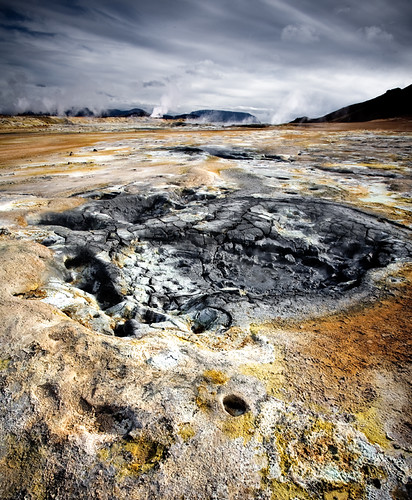
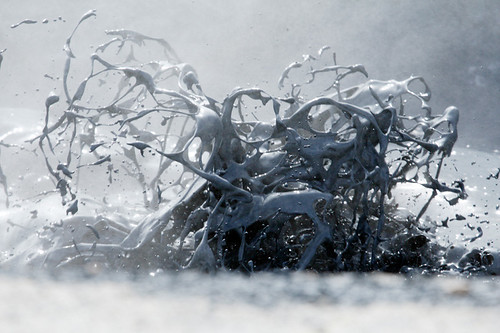
A stretch of hot water springs called as Hverarond is certainly located just at the foot of this famous mountain and these are better known for the wide variety that they keep on changing. There are also a number of mud holes, mud pots or fumaroles that can always be seen boiling with extra amount of energy.

The famous Namaskar pass is just situated at a little distance to Krafla volcano and there are also a number of other geological spots that are located nearby to it including desert Myvatsorafi and Burfellshraun. Whenever visiting Namaskar pass you have to keep in mind to visit Heibquellengebiet, Pseudo craters of Skutusta, Dimmuborgir’s lava formations and also the historic waterfalls of Go-afoss which is just located nearby to the road.

At the foothills of this spectacular volcanic mountain is an expanse of hot springs called Hverarönd or Hverir that are known for their changing variety. You may also find a number of fumaroles, mud pools and mud pots that all seem to be boiling with relentless energy. The pass Námaskarð is strategically located at a short distance from the Krafla volcano system as well as other interesting geological spots like Búrfellshraun and the desert Mývatsöræfi. While visiting Námaskarð, you must not miss the Heißquellengebiet, lava formations of Dimmuborgir, pseudo craters of Skútustaðir and the historic waterfall Goðafoss by the road.

However, Námaskarð earns its notoriety chiefly because of its sulphurous mud springs called solfataras and steam springs called fumaroles. Though you will scarcely find any pure water spring in this wonderful geothermal site of Iceland, the beauty of the colorful minerals defies all comparisons. The gigantic size of the mud craters is what makes you go ‘wow’ at the sight of them. You get parking, accommodation and dining facilities at Grýtubakki.

The other thing that is sure to strike you about Námaskarð is the sheer lack of vegetation. However, if you give a thought to the high temperature range, it does not appear an impossibility altogether. The constant emission of the fumes has made the ground utterly sterile and acidic, unfit to sustain any floras and faunas. You must bear in mind that the fumes can be harmful for humans as well.

Hence, better not forget to cover your nose or wear a mask while enjoying the hues of mineral deposits. You also must be careful about where you walk. Do not try to get over adventurous and cross the ropes that surround the pools. The ground beyond might crumble any moment and accidents do occur every now and then due to the erosive nature of the mud springs. There are no guards or guides to keep you off from the impending danger and so you must look after yourself.

It needs a visit to Námaskarð and Lake Mývatn to dispel the myth of icy coldness that people tend to associate with Iceland. In fact, Mývatn ranks fourth among the largest lakes of Iceland and remains the favorite haunt of various species of birds. The efflorescence of the sulphuric gases and hydrogen sulphide lets loose a riot of colors to flood the neighboring rhyolite rocks of this region. The view of the magnificent Lake Mývatn coupled with the turbulent bubbling and overhanging fog gives you a feeling that you have arrived at some extraterrestrial land or is it...the gateway to hell!
source

Tuesday, January 5, 2010

"Devil’s Pool", Victoria Falls, Zimbabwe


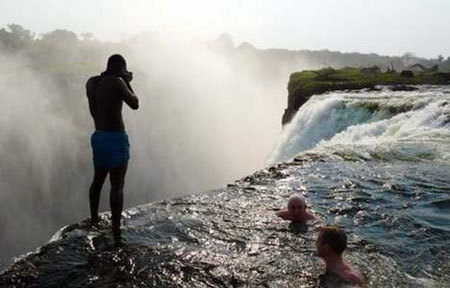
If you’re ever in Zimbabwe, don’t miss the chance to take a swim in The Devil’s Pool, a small lagoon, enclosed by rocks, on the edge of one of the biggest, most beautiful waterfalls in the world, Victoria Falls. Set on Livingstone Island, at a height of 103 meters, Devil’s Pool is definitely one of the most surreal locations on Earth.

During the months of September and December, people can swim as close as possible to the edge of the falls without falling over.

The Devil's Pool is a natural rock pool at the top of Victoria Falls.Your journey to the edge begins at the Royal Livingstone hotel in Zambia. A boat transfers you to Livingstone Island where you learn a bit about David Livingstone's famous adventure, before setting off on one of your own!As a group you walk and swim, sometimes within view of a hippo or two, across the Zambezi River. The excitement builds, until that electrifying moment when the brave leap (and not so brave slide) into the Devil's Pool.A rock wall protects you from tumbling into the gorge far below. It's even safe to peer right over the edge, down onto a permanent rainbow (just make sure someone has you by the ankles ... after all it's a long, long way down!).
If this sounds like your kind of adrenaline rush, then think carefully about when to go to Victoria Falls. This Victoria Falls activity is only possible when the water flow is at a safe level (from around Aug/Sept to Jan/Feb - depending on rainfall).Bear in mind though that since this is the dry season, the actual Falls are not quite as impressive at this time.

Wednesday, December 30, 2009

New York on New Year Eve on 2010

Planning a memorable New Year's Eve in New York City doesn't have to be a struggle. Explore this list of New Year's Eve events to find something that's sure to make your New York City New Year's Eve the best ever.

  • New Year's Eve Ball Drop in Times Square

Thinking about celebrating New Year's Eve at the Ball Drop in Times Square? Make sure you bring along these itmes to help you enjoy the New Year's Eve Ball Drop in Times Square.


  • New Year's Eve Midnight Run

Looking for a truly unique way to celebrate New Year's Eve in New York City? Try this four-mile run through New York City's Central Park that includes a (non-alcoholic) champagne toast, fireworks, and music to ring in the New Year.


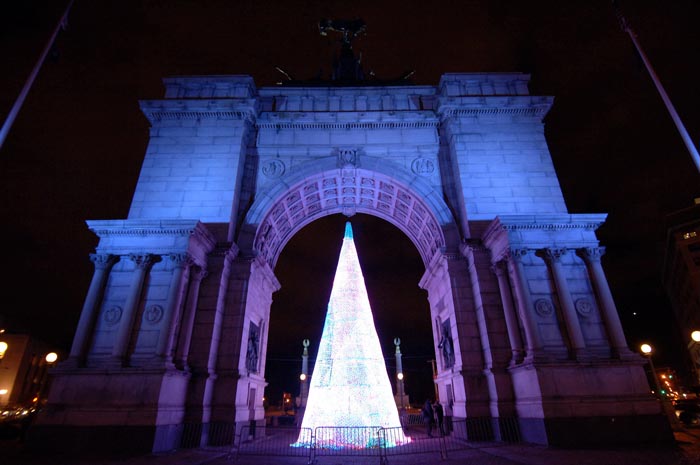
  • New Years Eve in Brooklyn's Grand Army Plaza

Celebrate New Year's Eve in in Brooklyn. This New Year's Eve celebration features fireworks and the countdown to the New Year at Grand Army Plaza.


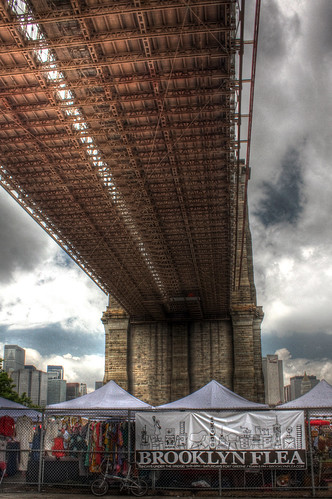
  • Brooklyn Bridge Walk into the New Year

Register at 10:30, walk begins at 11 PM. See New Year's Eve fireworks from Staten Island, Brooklyn, Central Park, NJ and the Empire State Building light show. Learn how the Brooklyn Bridge was built. Meeting Place: Outside Blimpie's Restaurant at 38 Park Row between Spruce and Beekman Streets across from City Hall Park. $35 if reserved in advance, $40 cash the day of.


  • Jivamukti Yoga Center's 18th Annual New Year's Eve Mauna

Mauna is the yogic practice of being silent. As the clock strikes at midnight, Sharon Gannon will break the silence and welcome the New Year with chants of "lokah samasta sukhino bhavantu" (May all beings everywhere by happy and free"). David Life will give an inspirational talk and Uma Saraswati will lead Kirtan. Vegan chai and snacks will be served throughout the evening. 9 pm - 1 am. (Free)

Friday, December 18, 2009

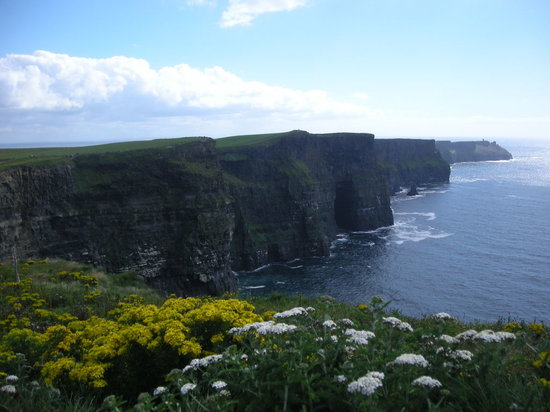
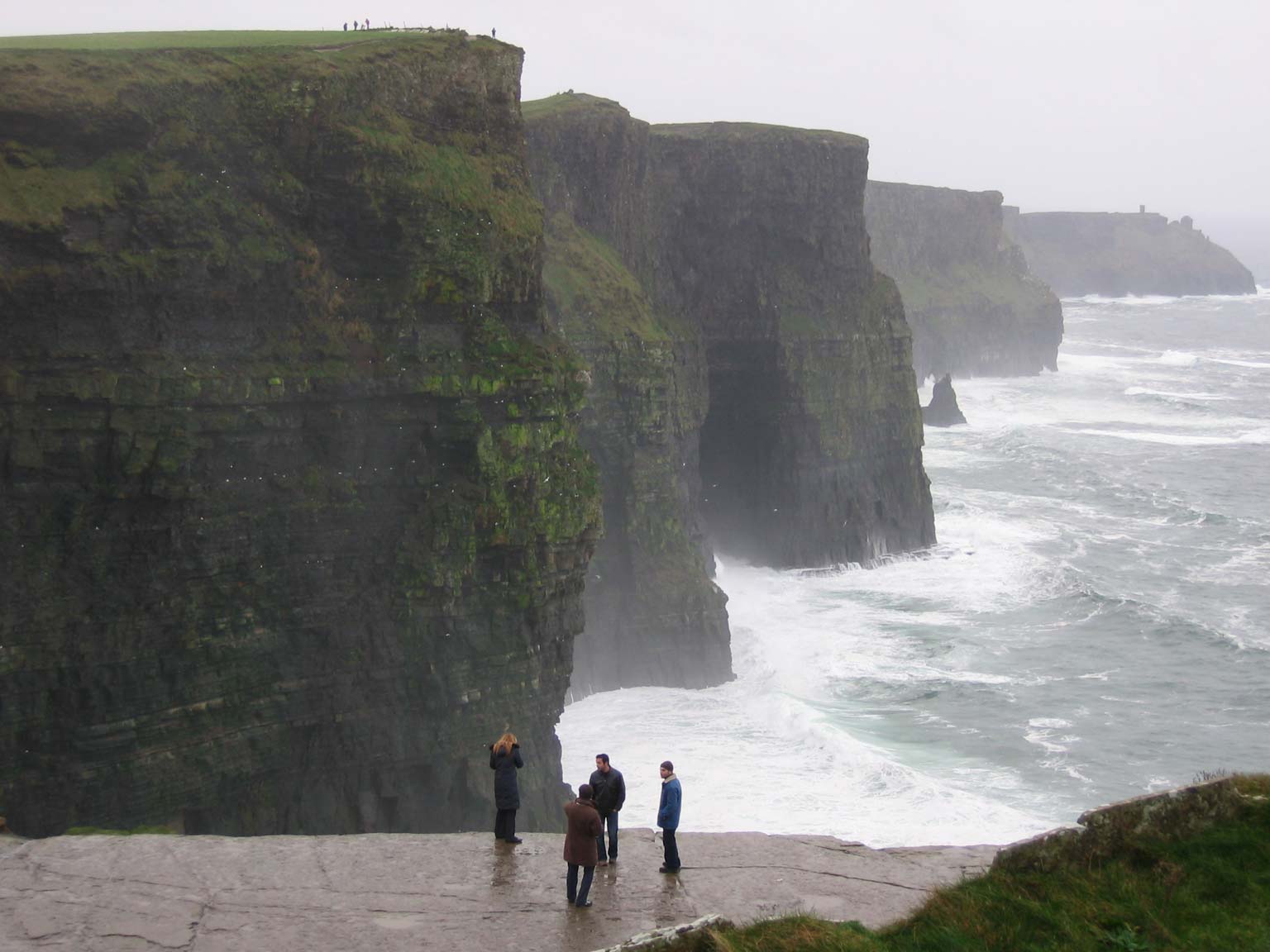
Cliffs of Moher


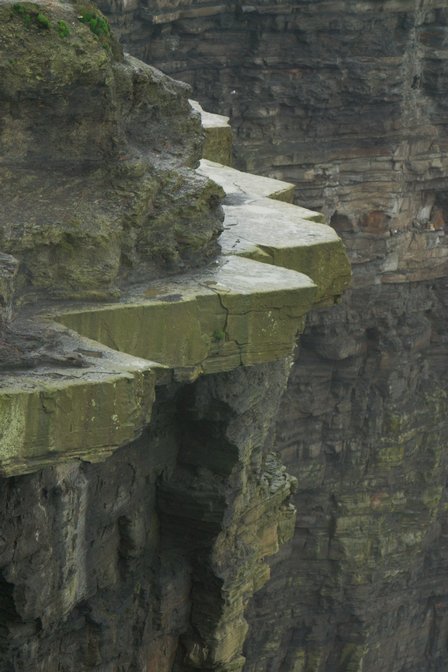
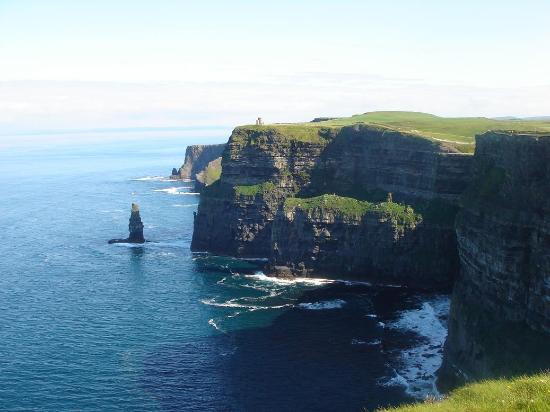
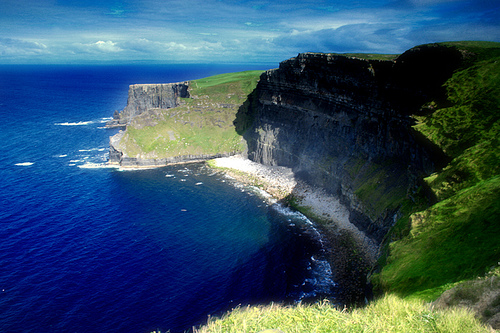
The majestic Cliffs of Moher are one of Ireland's most spectacular and most visited tourist attractions and tower 213m (700 ft) above the Atlantic Ocean. The best vantage point from which to see the Cliffs is O'Briens Tower, constructed in 1835 by Cornelius O' Brien, a local Member of Parliament who was responsible for many other local landmarks, and restored in 1970. The locals know each of the cliffs by name from north to south: Aillenasharragh, Carrickatreel, Knockardachuan, Branawnmore, Stookeen and Hag's Head. Visitors also go to the cliffs to see the rich birdlife of the area, including puffins, shags, kittiwakes and razorbills. Nearby is an area known as the Burren consisting of rolling hills and cliff faces covered in limestone rock. The area supports a diverse range of flora and fauna and is also famous for its megalithic tombs and monuments that pre-date the Egyptian pyramids.


Star of a million tourist brochures, the Cliffs of Moher (Aillte an Mothair, or Ailltreacha Mothair) are one of the most popular sights in Ireland. But like many an ageing star, you have to look beyond the glitz to appreciate the inherent attributes behind the cliché.

The cliffs rise to a height of 203m. They are entirely vertical and the cliff edge abruptly falls away into the constantly churning sea. A series of heads, the dark limestone seems to march in a rigid formation that amazes, no matter how many times you look.
Such appeal comes at a price, however: mobs. This is check-off tourism big time and busloads come and go constantly in summer. To handle the crowds, a vast new visitor centre opened in 2007. Set back into the side of a hill, it’s impressively unimpressive – it blends right in. However, as part of the development, the main walkways and viewing areas along the cliffs have been surrounded by a 1.5m-high wall. It’s lovely stone but it’s also way too high and set too far back from the edge. The entire reason for coming here (the view – unless you’re a bus-spotter) is obscured.
However, like so many oversubscribed natural wonders, there’s relief and joy if you’re willing to walk 10 minutes away. Past the end of the ‘Moher Wall’ south, there’s still a trail along the cliffs to Hag’s Head – few venture this far. There’s also a path heading north but you’re discouraged from it, so use your common sense. With binoculars you can spot the more than 30 species of birds, including puffins, that make their homes among the craggy cliff-faces. On a clear day you’ll channel Barbra Streisand as you can see forever; the Aran Islands stand etched on the waters of Galway Bay, and beyond lie the hills of Connemara in western Galway.
Contact Addresses
Shannon Heritage Visitor Center, Liscannor, County Clare, Ireland
Tel: (065) 708 1171 or 708 1565
Website: www.shannonheritage.com

Transportation
Air: Shannon Airport. Rail: Train: Ennis Station or Galway Station. Road: Car: N-85 (from Ennis); N-67 (from Galway).

Location
Ireland

Twitter Delicious Facebook Digg Stumbleupon Favorites More

 
Design by Free WordPress Themes | Bloggerized by Lasantha - Premium Blogger Themes | GreenGeeks Review