


 9:37 AM
 crkota


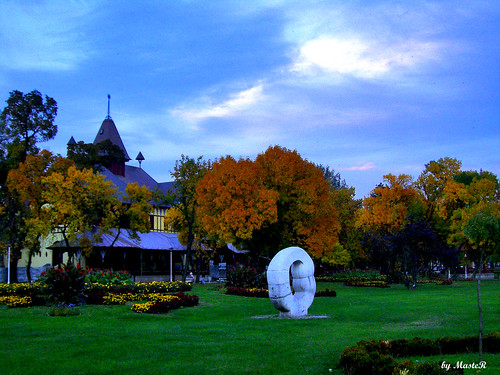
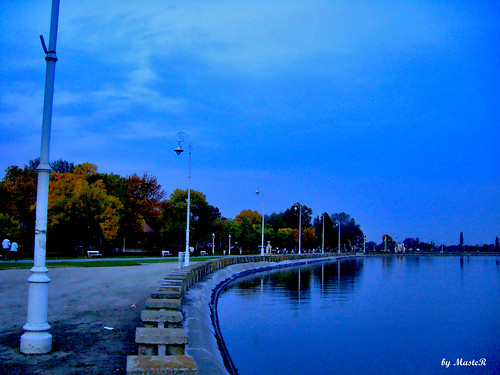


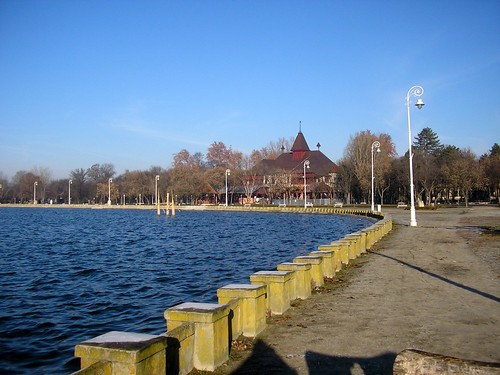


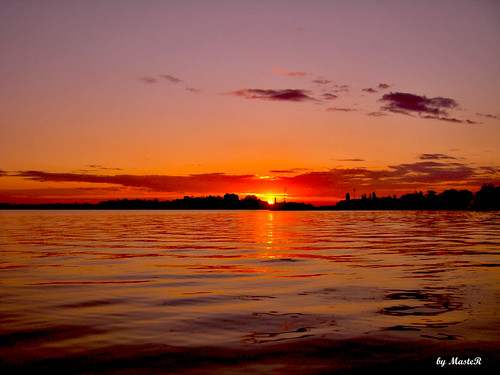
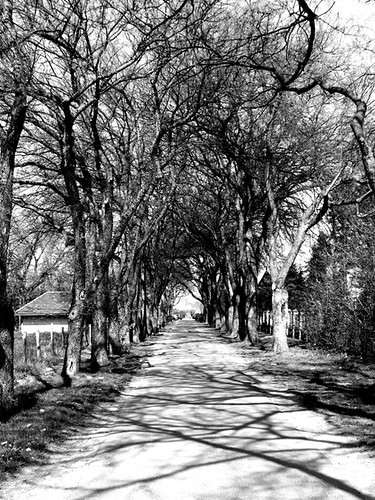
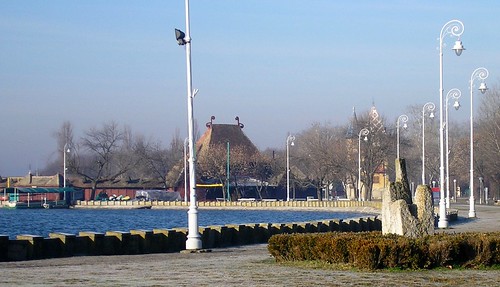

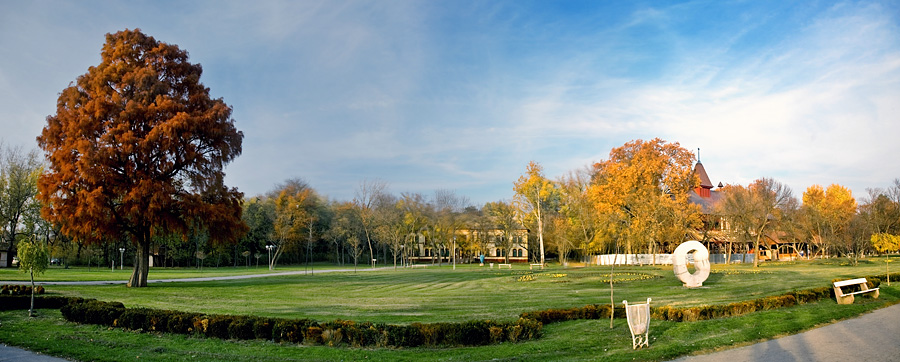

Seven kilometers to the east of Subotica is the village Palić and next to it lies a tranquil body of water that bears the same name. The shallow saltwater lake of aeolian origin is rich in thermal springs. Since the mid-19th century the area around the lake has prospered into a prestigeous health resort and vacation area.
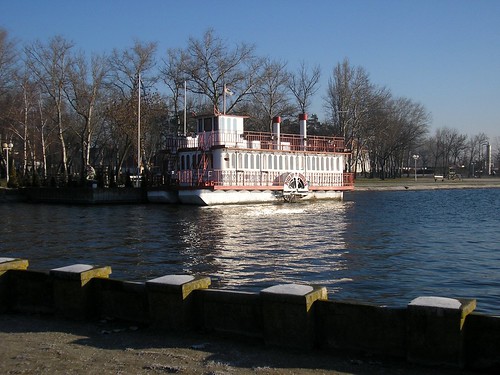
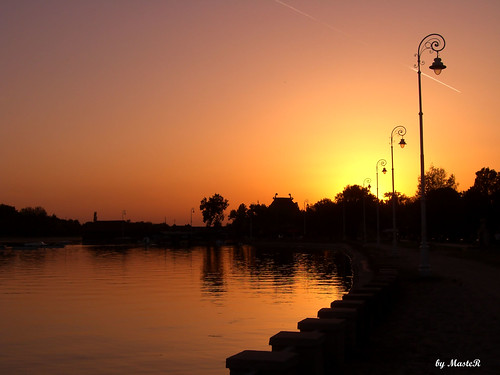
Although the avarage depth of the lake is only 2 m, it has cosy and tended beaches along its 17 km long shores, offering opportunities for various water sports and fishing. A large park embraces the lake and dotted with picturesque villas and hotelsis becoming a popular excursion point for tourists.
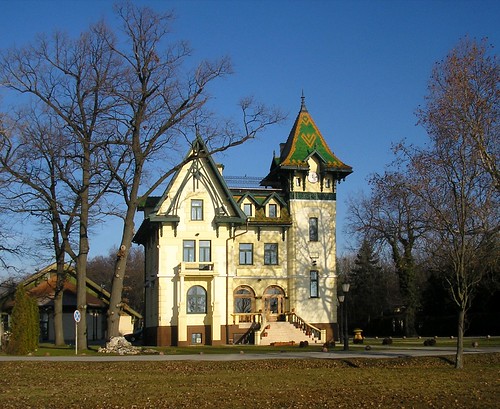
Palić can be reached by from Subotica, a nearby urban center close to the border with Hungary, or by train that stops here twice a day and continues on to Szeged. The bus stops in front of the main entrance of the park by the Water Tower (Vodotoranj), the symbol of the resort. Like all the other prominent buildings here, it is the work of Marcel Komor and Deže Jakab from 1912, when Palić was given its present appearance. The main park promenade begins at the Water Tower and leads to the stocky Grand Terrace, a beautiful Art Nouveau building also built 1912. On the other side of the Terrace, next to the lake shore, is the memorial well with an inscription about the founding day of the resort. To the right of stands the fairytale-like wooden Women’s Lido, rich in detail and reminescent of local ethnic motives.The characteristic Villa Lujza is near by, built in Swiss style (deemed to be the most adequate for spas) and the ruined Owl Castle, once home of the famous sportsman Lajoš Vermeš.
Palić also has a ZOO garden (phone: 024/753-075, open every day from 9 a.m. to 6 p.m.) and a large open air stage that hosts the annual Palić International Film Festival in July.
Towards the East along the same road there is another water basin, Lake Ludoško, a wetland reserve rich in waterfowl. There are 214 species of birds that can be seen throughout the year, 40 of which nest here. The lake is also an archeological locality with evidence of early human settlements. There several farmsteadsand fish taverns (salaš and čarda) with culinary specialites and old-style rural accommodation.
Palic, the 7 km long lake and tourist centre used to be an elite resort and spa at the turn of the 19th and 20th centuries. The image of Palic has permanently been changing, improving and modernising, although it avoided the temptation of industrialisation. The two architects, Komor and Jakab, who left a permanent impression on the architecture of the city, also designed remarkable buildings in Palic as well, and these were also built in Hungarian art nouveau and dominated by woodcarvings inspired by folk handicrafts.
The Water Tower, now the symbol of Palic, was built at the beginning of the 20th century as a multipurpose facility: a water tower, gate of the resort and a tram station.
The construction of the Grand Terrace ended in 1911 and at that time it was also used as a multipurpose facility (confectionery, restaurant, while the upstairs premises were intended for entertainment and balls).
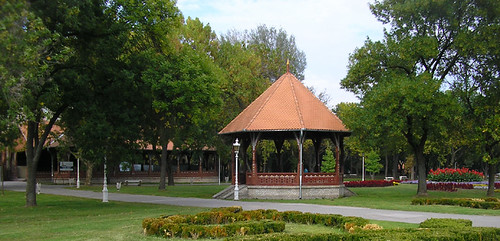
Two open terraces embellish the front of the building and they are decorated by magnificently carved parapet. Right in front of the Grand Terrace is the tiniest art nouveau style, special purpose facility, the Musical Pavillion, which, in the spirit of time, used to be a venue for promenade concerts.
A memorial fountain was erected in the honour of the completion of constructions in the city and Palic, which perfectly fit in the newly created atmosphere of the promenade in front of the Grand Terrace and the Musical Pavilion on the lake front.
The Women’s Beach is another magnificent example of art nouveau style buildings.
Women's Beach
The colourful resort houses-villas round up the Palic image. Villa Lujza was built in eclectic style and Bagolyvár (an interesting name for an interesting building: “the owl’s castle) are “Swiss-type” villas, and their roofs are covered with multicoloured plain tiles made by the Zsolnay Manufacture.
In the heart of the Grand Park there is specific facility, the Summer Stage, where the Palic International Film Festival is held every summer.
Palić Film Festival
The Palic Summer Stage hidden in the shade of the Grand Park's hundred year old trees opens its gates to the Palic International Film Festival during the third week of July. This Festival is dedicated to the promotion of the most recent productions in the European filmmaking and is accompanied with various programmes.




Although the avarage depth of the lake is only 2 m, it has cosy and tended beaches along its 17 km long shores, offering opportunities for various water sports and fishing. A large park embraces the lake and dotted with picturesque villas and hotelsis becoming a popular excursion point for tourists.
Palić can be reached by from Subotica, a nearby urban center close to the border with Hungary, or by train that stops here twice a day and continues on to Szeged. The bus stops in front of the main entrance of the park by the Water Tower (Vodotoranj), the symbol of the resort. Like all the other prominent buildings here, it is the work of Marcel Komor and Deže Jakab from 1912, when Palić was given its present appearance. The main park promenade begins at the Water Tower and leads to the stocky Grand Terrace, a beautiful Art Nouveau building also built 1912. On the other side of the Terrace, next to the lake shore, is the memorial well with an inscription about the founding day of the resort. To the right of stands the fairytale-like wooden Women’s Lido, rich in detail and reminescent of local ethnic motives.The characteristic Villa Lujza is near by, built in Swiss style (deemed to be the most adequate for spas) and the ruined Owl Castle, once home of the famous sportsman Lajoš Vermeš.
Palić also has a ZOO garden (phone: 024/753-075, open every day from 9 a.m. to 6 p.m.) and a large open air stage that hosts the annual Palić International Film Festival in July.
Towards the East along the same road there is another water basin, Lake Ludoško, a wetland reserve rich in waterfowl. There are 214 species of birds that can be seen throughout the year, 40 of which nest here. The lake is also an archeological locality with evidence of early human settlements. There several farmsteadsand fish taverns (salaš and čarda) with culinary specialites and old-style rural accommodation.
Palic, the 7 km long lake and tourist centre used to be an elite resort and spa at the turn of the 19th and 20th centuries. The image of Palic has permanently been changing, improving and modernising, although it avoided the temptation of industrialisation. The two architects, Komor and Jakab, who left a permanent impression on the architecture of the city, also designed remarkable buildings in Palic as well, and these were also built in Hungarian art nouveau and dominated by woodcarvings inspired by folk handicrafts.
The Water Tower, now the symbol of Palic, was built at the beginning of the 20th century as a multipurpose facility: a water tower, gate of the resort and a tram station.
The construction of the Grand Terrace ended in 1911 and at that time it was also used as a multipurpose facility (confectionery, restaurant, while the upstairs premises were intended for entertainment and balls).
Two open terraces embellish the front of the building and they are decorated by magnificently carved parapet. Right in front of the Grand Terrace is the tiniest art nouveau style, special purpose facility, the Musical Pavillion, which, in the spirit of time, used to be a venue for promenade concerts.
A memorial fountain was erected in the honour of the completion of constructions in the city and Palic, which perfectly fit in the newly created atmosphere of the promenade in front of the Grand Terrace and the Musical Pavilion on the lake front.
The Women’s Beach is another magnificent example of art nouveau style buildings.
Women's Beach
The colourful resort houses-villas round up the Palic image. Villa Lujza was built in eclectic style and Bagolyvár (an interesting name for an interesting building: “the owl’s castle) are “Swiss-type” villas, and their roofs are covered with multicoloured plain tiles made by the Zsolnay Manufacture.
In the heart of the Grand Park there is specific facility, the Summer Stage, where the Palic International Film Festival is held every summer.
Palić Film Festival
The Palic Summer Stage hidden in the shade of the Grand Park's hundred year old trees opens its gates to the Palic International Film Festival during the third week of July. This Festival is dedicated to the promotion of the most recent productions in the European filmmaking and is accompanied with various programmes.


