7:54 AM
 crkota


Best known of the Rocky Mountain states, Colorado is essentially an outdoor paradise and owes its recognition to the majestic mountains that create spectacular scenery, panoramic vistas and an abundance of recreational possibilities. For many, nature forms the essence of Colorado.
The Rocky Mountains is a year-round destination that boasts national parks and forests, canyons, lakes, rivers and peaks that provide opportunities for hiking, mountain biking, fishing and horse riding. Numerous winter resorts nestled in the mountains offer unrivalled skiing and snowboarding amid beautiful alpine scenery. The resort of Vail is considered to be one of the top ski destinations in the Americas and is the most popular, while Aspen is best known for its celebrities and glamorous après-ski scene.
The state capital, Denver, is the obvious starting point for a vacation and is the gateway to the mountains, ski resorts and spectacular Rocky Mountain National Park to the north. Home to many museums, parks, gardens and a lively downtown area, the city offers the comfort and culture of bigger cities like Los Angeles or New York, but at a more relaxed pace. Pikes Peak looms over the popular city of Colorado Springs, famous for its breathtaking views that was the inspiration for the lyrics of 'America the Beautiful' by Katherine Lee Bates. Just outside the city are the fantastic red sandstone formations of the Garden of the Gods.
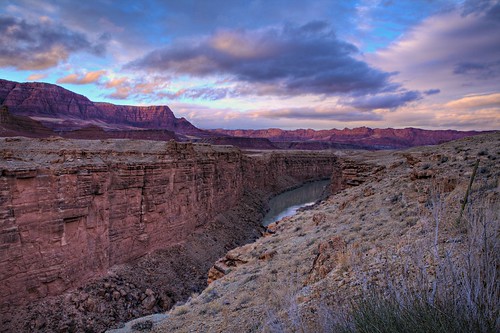
The western part of the state comprises beautiful remote desert canyons and the archaeological remnants of the cliff cities left by an ancient civilization at Mesa Verde National Park, a stark contrast to the alpine wonders that attract most visitors to Colorado.
Most of Colorado has a mountain climate with hot summer days and cold winters with snow, but the weather can be extremely changeable, particularly during spring. Thunderstorms occur in spring and summer with most rainfall during July and August, rain falling persistently in the mountains. Humidity is low throughout the year. The state receives a large amount of hail during the year, mostly during spring. Spring is also the windiest time of year.
It was founded as a gold mining camp in 1859, and at the center of the Old West it was filled with cowboys, gamblers, saloons, gunslingers, Native Americans, and crooked characters such as the infamous Jefferson 'Soapy' Smith. Although very little gold was discovered, a city was laid out and the name Denver attributed it.
Having since shed its cow-town image and evidence of its western past, it has developed into a modern city with wonderful museums, historic architecture, cultural attractions, shopping venues and a world-class airport. It has more than 200 parks and tree-lined boulevards and a completely refurbished lower downtown area (LoDo to the locals), where blocks of old Victorian buildings and warehouses have been carefully restored to house restaurants, galleries, antique shops and jazz clubs. Historic Larimer Square is the heart of the dining and nightlife scene. Denver brews more beer than any other city in America and most of it can be sampled in LoDo where the city's brewpubs proliferate.
Most residents are active nature lovers who take advantage of the city's setting, the pleasant climate and unlimited outdoor adventures just minutes from the center, including skiing, hiking, mountain biking and fishing. Tourism focuses on its natural setting and the outdoors, and as such it is a major destination for tourists heading into the mountains. Visitors to Denver will be pleasantly surprised by its welcoming and friendly nature.
Getting Around: The public transport system in Denver is excellent with an outstanding, comprehensive bus network that is supplemented by a light rail line operating throughout the metropolitan area and outlying towns. Along the 16th Street Mall, bus shuttles provide free service, and from June to September, a hop-on, hop-off trolley links the main city center attractions. Taxis can be hailed on the streets, but it is better to find them at taxi ranks or to order them by phone; they can be difficult to find on the street around 2am when the bars close. Cars are not necessary for downtown, and parking is expensive.
Climate: Denver experiences a semi-arid climate with typical dry, cold winters, warm summers, showery springs and pleasant autumns. The weather in Denver is influenced by the nearby Rocky Mountains, which block the winter storms somewhat. In summer the humidity from the Gulf of Mexico causes afternoon thunderstorms. Denver's weather can also be unpredictable, with unseasonal snowstorms occurring. The average annual rainfall is low, and sunny skies are the norm, and in winter around 60 inches of snow usually falls.
Documenting the colorful history of Colorado and the stories of those who lived here, the Colorado History Museum brings to life the history of cowboys and gunfighters, Native Americans, miners and gold panners, explorers, buffalo hunters, wagon trains and railroads. Colorado and its diversity is portrayed from the earliest inhabitants to its pioneer families through innovative exhibits, historic photographs, artifacts and news clippings. There are exhibits on life in 19th century Denver, Buffalo Soldiers and the Mesa Verde cliff dwellings, and life and culture in the American West. Special exhibits are held throughout the year and there is an excellent bookstore and gift shop.
Address: 1300 Broadway Phone Number: (303) 866 3682
Website: www.coloradohistory.org
Transport: Bus 8
Hours: Daily Monday to Saturday 10am to 5pm, Sunday 12pm to 5pm
Admission: $7 (adults). $5 (children 6-12). Children under six years are free. Student, children and senior concessions available
Housing one of the largest Native American art collections in the country, the Denver Art Museum is a huge, seven-story structure that also features the works of American Western artists, and art from Africa, Europe, Asia and the Pacific. The growing American Indian collection displays work from 150 tribes throughout the country, arranged geographically and spanning almost 2,000 years. Discovery Libraries contain shelves of art objects and prints, a costume closet that allows visitors to try on olden-day clothing, as well as reading corners.
Address: 100 W 14th Avenue Parkway
Phone Number: (720) 865 5000 Email Address: web-mail@denverartmuseum.org
Website: www.denverartmuseum.org
Hours: Closed on Mondays. Tuesday and Thursday 10am to 5pm, Wednesday and Friday 10am to 9pm, Saturday and Sunday 9am to 5pm Admission: $13 (adults), $5 (children 6-18); under 5's are free. Student, senior and resident concessions available. It is recommended that tickets are ordered in advance
The most popular attraction in Colorado is the spectacular Rocky Mountain National Park, with its snow-covered peaks, flower-flecked meadows, alpine lakes, thundering waterfalls and wildlife. These images of beauty have graced countless calendars and coffee-table books and are instantly recognizable as Colorado. Because of the high elevation of the park, of which a third is over 11,500ft (3,505m), there are large areas above the tree line of alpine tundra, constant snow and flora seldom found outside the Arctic. Although usually considered the realm of hikers, climbers, fishermen and horse riders, it is possible to enjoy the park without breaking a sweat thanks to one of America's most scenic drives, the Trail Ridge Road. Crossing the Continental Divide at over two miles (3km) above sea level, the 48-mile (77km) highway linking Estes Park to Grand Lake is one of the highest continuous highways in the country, affording dizzying views in all directions. The sweeping vistas of snowy peaks and glaciers, forests, streams and meadows where elk, mule deer and bighorn sheep can be seen, are exceptional. The road also provides access to several walking trails. In winter the road is closed, but activities such as cross-country skiing, ice fishing and snow-shoeing are popular. Most visitors come during the summer months, but the park can get quite crowded and the roads congested; the best time to enjoy the park is early autumn, after the crowds and before the winter snows. The resort village of Estes Park is the eastern gateway to the park and very popular with visitors, while the western resort of Grand Lake is quieter with an idyllic setting on the shores of a large lake.
Phone Number: (970) 586 1206, or 586 1333 (recorded information)
Website: www.nps.gov/romo
Transport: Estes Park Shuttle runs from Denver International Airport to Estes Park. Private transport is best, but it is possible to pick up a tour from Estes Park or Denver. Getting around the park requires private transportation, but during the peak summer months (June to Labor Day) there is a shuttle bus service in the Moraine Park and Bear Lake areas Hours: The park is open 24 hours a day year round; see website for different Visitor Center opening hours
Admission: $20 per vehicle, or $10 per individual hiker, cyclist or motorcyclist, valid for seven days
Colorado Springs is a growing city that was originally developed as a vacation destination in 1871 as part of the 'health center' boom of Colorado, being blessed with the nearby mineral waters of Manitou Springs, its high mountain ranges and fresh mountain air. Today it is a popular tourist destination (its main source of income), attracting visitors to the magnificent scenery of Pikes Peak Country and the pleasant climate. It is a good base from which to explore the beauty of the surrounding area and most tourists come to marvel at the landscape of Garden of the Gods and Pikes Peak, as well as to see the US Air Force Academy. Most of Colorado Springs' residents are retired or active military personnel and this lends a conservative mood to the city. Colorado Springs sits at the foot of its most famous landmark, the 14,110ft (4,301m) Pikes Peak and a breathtaking journey on the Pikes Peak Cog Railway takes passengers to the summit from where incredible views over the Rocky Mountain Range, Denver and the endless Great Plains can be enjoyed. The marvelous red sandstone formations of the nearby Garden of the Gods have been sculpted into pinnacles and weirdly-eroded shapes by the wind and rain over millions of years, and the park has numerous walking trails that allow visitors to explore the landscape away from the tourist-traveled roads.
Website: www.experiencecoloradosprings.com
Copper Mountain is the largest resort, in terms of area, in the whole of Summit County Colorado. The resort, owned by Intrawest, which also owns Winter Park (Colorado), Mammoth (California) and Whistler-Blackcomb (B.C, Canada) is incredibly popular and noted especially for its varying terrain and diverse runs. The resort has three villages filled with shops, restaurants, bars and a variety of accommodation. The Village at Copper is the center of the resort and most of the action takes place around here. The East Village and Union Creek (on the west side) have fewer restaurants and shops. A few years back, Intrawest put a lot of money into the upgrading of the villages, with massive amounts of construction aiding to bring up the standard and reputation to where it stands today. Copper Mountain is now one of the most popular resorts in the whole of Colorado and continues to attract visitors from within the United States and worldwide.
Steamboat is a hugely popular resort boasting a wide variety of options for families of all skiing levels, and topped off with rustic cowboy charm. The resort is located in Steamboat Springs, Colorado on Mount Werner in the Park range. With almost 3,000 acres of varied terrain, reaching a height of 3,668 feet (1,118m), 165 trails including mogul fields and tree runs there is bound to be enough for everyone. The resort is incredibly popular due to its rich Olympic heritage and friendly atmosphere, and is perfect for families accommodating beginner skiers and snowboarders quite comfortably with experienced trainers at the ski school.
Winter Park has been increasing in popularity over the last few years and the resort management, Intrawest Corp. are putting some funding ahead for new improvements. The resort sits at over 9,000 feet (2,743m) above sea level, and is roughly one and a half hours away from Denver, in the snow and ski heavyweight state of Colorado. Spread over more than 3,000 acres of ski terrain are 134 trails, most of which will suit the more advanced skiers and boarders. Linked with Winter Park are Mary Jane, Vasquez and Parsenn Bowl, suited only to intermediates and expert skiers and riders. The resort is popular with locals and those in the know, and one of the favorites in the hearts of snowboarders from all over Colorado for its wonderful parks and the great community spirit.
Keystone attracts all types from all over the world. From first-time families to rogue snowboarders, all manage to delight themselves with the many options available at this all-encompassing resort. Keystone is situated only one and a half hours from Denver, and just over two hours from Denver International Airport. It is part of the Vail Resorts group, and lift tickets can be purchased to include the other resorts in that group: Breckenridge, Beaver Creek, Arapahoe Basin, Vail and Heavenly (California). An efficient bus system in Summit Country connects all of these resorts (excluding Heavenly) to allow for an incredible variety of skiing in the area. Keystone itself has three separate villages with bars, restaurants, shops, rental equipment facilities and a wide range of accommodation. But what really separates Keystone apart from all the other resorts is the night skiing.
A major resort in Colorado, this upmarket ski haven is great for families, couples, even a few celebrities, as it offers good skiing, fine dining, world-class shopping and fantastic accommodation. Beaver Creek has a very European feel to it, styled similarly to Switzerland's St. Moritz, Italy's Cortina and Spain's Val d'Aran, and exudes the sense of luxury that complements the resort's maxim: Not Exactly Roughing It. The resort hosts three villages with mountain access from all. The Beaver Creek Village is the heart of the resort and has plenty of shops and restaurants in its surrounds, whereas Bachelor Gulch and Arrowhead are more secluded but with great access to the slopes. Beaver Creek is part of Vail Resorts and ski packages can include access to Keystone, Vail, Breckenridge, Arapahoe Basin and Heavenly (California), all of which (excluding Heavenly) can be accessed via an efficient transport system in the Summit County Area.
Time and again Vail is ranked among the top ski destinations on the continent, the most visited ski resort in America and known to be one of the world's premier winter destinations. With the largest single mountain ski area in North America it offers miles of ski terrain and the opportunity to choose a different descent every time. The Austrian-styled village is a neat concentration of trendy shops, restaurants and nightlife all within easy reach of the hotels, inns and lodges, and never more than a five-minute walk to the slopes. There is also a lift system that provides access to a backcountry experience with trees and peaceful ungroomed terrain. The ski season lasts from November to early May, but the resort remains open for summer activities such as hiking, mountain biking and fishing.
Aspen's reputation precedes it; the name is synonymous with glitz, glamour, unparalleled skiing and spectacular mountain scenery. Most reviews would have one believe that it is a resort exclusively for the rich and famous. Although this elite resort does see super stars such as Jack Nicholson and Cher, anyone with a lot of cash can experience the powder snow, superb skiing, sophisticated accommodation as well as good dining and high-society shopping, with an unrivalled range of winter and summer activities. Summer is more affordable; prices are lower at this time, and there are numerous trails for hiking, biking and horse riding, as well as renowned cultural festivals of dance and music. The resort attracts thousands of Americans as well as European visitors every year. Aspen began as a silver mining town with the discovery of the world's largest silver nugget in the 1870s; after the crash of the silver market its economy dwindled until it was recognized as a prime ski location. The ostentatious après-ski is a celebrity's watch of 'who's who'.
The beautiful Colorado high mountain valley of Breckenridge first attracted settlers back in 1859, when the glitter of gold drew hundreds of hopeful prospectors to the banks of the Blue River. The gold wore out in the 1940s, but Breckenridge soon boomed again, this time as a world-class ski resort where visitors come seeking thrills and spills on the white powdery slopes. When it comes to snow-sports, Breckenridge is acknowledged as one of the finest places in the USA to experience them all, and it has a reputation for being the best place to learn to ski, with more than 600 professional instructors and gentle beginner slopes available. Breckenridge is also a haven for snowboarders, having been one of the first resorts in the country to cater for this booming sport. The quaint mining town with its charming preserved Victorian buildings forms the nucleus of the Breckenridge resort, and has become a year-round popular holiday destination with a host of activities on offer during the summer months as well as its exceptional skiing in winter. The resort's popularity is enhanced by its easy accessibility from Denver via the Eisenhower Tunnel, the drive taking about an hour and a half.
At the southern tip of the Rocky Mountains, tucked into a canyon ringed by the soaring peaks of the San Juan Mountains, lies the tiny historic mining town of Telluride, which, twinned with its modern purpose-built 'alter-ego', Mountain Village, perched 9,500 feet (2,895m) up the mountain-side, forms one of America's most spectacular alpine resorts. Telluride sports a dozen or so blocks of quaint Victorian homes and clapboard storefronts, around a pedestrianized core. A unique feature of the twinned towns is the three-stage gondola system, which provides the only access to high altitude Mountain Village. Visitors take the swift, scenic free ride to the elegant, contemporary resort town, marvelling at the panoramic views of some of Colorado's most magnificent mountain peaks. While Telluride provides the picturesque historic atmosphere, Mountain Village, founded in 1987, provides modern recreational and accommodation options for discerning guests with luxury hotels and condominiums, sophisticated boutiques, eclectic restaurants, a championship golf course, conference center and a world-class spa. The attractive, upmarket modern facilities and stunning setting have ensured that Telluride/Mountain Village is not just a winter sports destination with eminently attractive ski slopes, but popular all year round as a mountain holiday destination. It is easy to see why the Ute Indians in days of yore cherished this valley and its guardian peaks as sacred territory.
Crested Butte is located in Gunnison County, considered the wildflower capital of Colorado. Regardless, when the resort is covered in white each winter, the flowers are forgotten and skiers from all over the world descend on this resort town, often touted as one of the best extreme skiing locations in the world. Both the US Extreme Skiing Championships and X-Games have been hosted here but the extensive terrain has something to offer everyone. The resort town is famous and well loved within the skiing community as a laidback, unpretentious, fun-loving place to visit, Worth Getting To, as their saying goes.


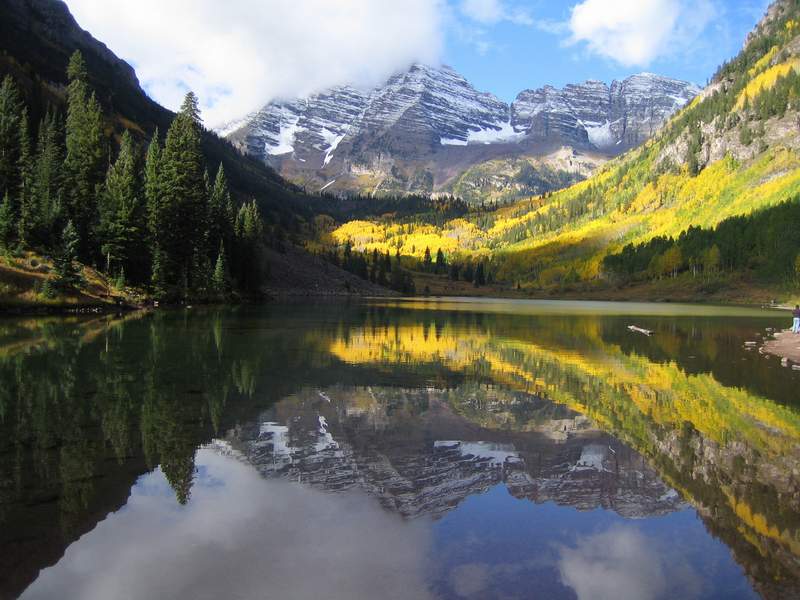


The Rocky Mountains is a year-round destination that boasts national parks and forests, canyons, lakes, rivers and peaks that provide opportunities for hiking, mountain biking, fishing and horse riding. Numerous winter resorts nestled in the mountains offer unrivalled skiing and snowboarding amid beautiful alpine scenery. The resort of Vail is considered to be one of the top ski destinations in the Americas and is the most popular, while Aspen is best known for its celebrities and glamorous après-ski scene.
The state capital, Denver, is the obvious starting point for a vacation and is the gateway to the mountains, ski resorts and spectacular Rocky Mountain National Park to the north. Home to many museums, parks, gardens and a lively downtown area, the city offers the comfort and culture of bigger cities like Los Angeles or New York, but at a more relaxed pace. Pikes Peak looms over the popular city of Colorado Springs, famous for its breathtaking views that was the inspiration for the lyrics of 'America the Beautiful' by Katherine Lee Bates. Just outside the city are the fantastic red sandstone formations of the Garden of the Gods.
The western part of the state comprises beautiful remote desert canyons and the archaeological remnants of the cliff cities left by an ancient civilization at Mesa Verde National Park, a stark contrast to the alpine wonders that attract most visitors to Colorado.
Most of Colorado has a mountain climate with hot summer days and cold winters with snow, but the weather can be extremely changeable, particularly during spring. Thunderstorms occur in spring and summer with most rainfall during July and August, rain falling persistently in the mountains. Humidity is low throughout the year. The state receives a large amount of hail during the year, mostly during spring. Spring is also the windiest time of year.
- Denver
It was founded as a gold mining camp in 1859, and at the center of the Old West it was filled with cowboys, gamblers, saloons, gunslingers, Native Americans, and crooked characters such as the infamous Jefferson 'Soapy' Smith. Although very little gold was discovered, a city was laid out and the name Denver attributed it.
Having since shed its cow-town image and evidence of its western past, it has developed into a modern city with wonderful museums, historic architecture, cultural attractions, shopping venues and a world-class airport. It has more than 200 parks and tree-lined boulevards and a completely refurbished lower downtown area (LoDo to the locals), where blocks of old Victorian buildings and warehouses have been carefully restored to house restaurants, galleries, antique shops and jazz clubs. Historic Larimer Square is the heart of the dining and nightlife scene. Denver brews more beer than any other city in America and most of it can be sampled in LoDo where the city's brewpubs proliferate.
Most residents are active nature lovers who take advantage of the city's setting, the pleasant climate and unlimited outdoor adventures just minutes from the center, including skiing, hiking, mountain biking and fishing. Tourism focuses on its natural setting and the outdoors, and as such it is a major destination for tourists heading into the mountains. Visitors to Denver will be pleasantly surprised by its welcoming and friendly nature.
Getting Around: The public transport system in Denver is excellent with an outstanding, comprehensive bus network that is supplemented by a light rail line operating throughout the metropolitan area and outlying towns. Along the 16th Street Mall, bus shuttles provide free service, and from June to September, a hop-on, hop-off trolley links the main city center attractions. Taxis can be hailed on the streets, but it is better to find them at taxi ranks or to order them by phone; they can be difficult to find on the street around 2am when the bars close. Cars are not necessary for downtown, and parking is expensive.
Climate: Denver experiences a semi-arid climate with typical dry, cold winters, warm summers, showery springs and pleasant autumns. The weather in Denver is influenced by the nearby Rocky Mountains, which block the winter storms somewhat. In summer the humidity from the Gulf of Mexico causes afternoon thunderstorms. Denver's weather can also be unpredictable, with unseasonal snowstorms occurring. The average annual rainfall is low, and sunny skies are the norm, and in winter around 60 inches of snow usually falls.
- Rocky Mountains
- Colorado History Museum
Documenting the colorful history of Colorado and the stories of those who lived here, the Colorado History Museum brings to life the history of cowboys and gunfighters, Native Americans, miners and gold panners, explorers, buffalo hunters, wagon trains and railroads. Colorado and its diversity is portrayed from the earliest inhabitants to its pioneer families through innovative exhibits, historic photographs, artifacts and news clippings. There are exhibits on life in 19th century Denver, Buffalo Soldiers and the Mesa Verde cliff dwellings, and life and culture in the American West. Special exhibits are held throughout the year and there is an excellent bookstore and gift shop.
Address: 1300 Broadway Phone Number: (303) 866 3682
Website: www.coloradohistory.org
Transport: Bus 8
Hours: Daily Monday to Saturday 10am to 5pm, Sunday 12pm to 5pm
Admission: $7 (adults). $5 (children 6-12). Children under six years are free. Student, children and senior concessions available
- Denver Art Museum
Housing one of the largest Native American art collections in the country, the Denver Art Museum is a huge, seven-story structure that also features the works of American Western artists, and art from Africa, Europe, Asia and the Pacific. The growing American Indian collection displays work from 150 tribes throughout the country, arranged geographically and spanning almost 2,000 years. Discovery Libraries contain shelves of art objects and prints, a costume closet that allows visitors to try on olden-day clothing, as well as reading corners.
Address: 100 W 14th Avenue Parkway
Phone Number: (720) 865 5000 Email Address: web-mail@denverartmuseum.org
Website: www.denverartmuseum.org
Hours: Closed on Mondays. Tuesday and Thursday 10am to 5pm, Wednesday and Friday 10am to 9pm, Saturday and Sunday 9am to 5pm Admission: $13 (adults), $5 (children 6-18); under 5's are free. Student, senior and resident concessions available. It is recommended that tickets are ordered in advance
- Rocky Mountain National Park
The most popular attraction in Colorado is the spectacular Rocky Mountain National Park, with its snow-covered peaks, flower-flecked meadows, alpine lakes, thundering waterfalls and wildlife. These images of beauty have graced countless calendars and coffee-table books and are instantly recognizable as Colorado. Because of the high elevation of the park, of which a third is over 11,500ft (3,505m), there are large areas above the tree line of alpine tundra, constant snow and flora seldom found outside the Arctic. Although usually considered the realm of hikers, climbers, fishermen and horse riders, it is possible to enjoy the park without breaking a sweat thanks to one of America's most scenic drives, the Trail Ridge Road. Crossing the Continental Divide at over two miles (3km) above sea level, the 48-mile (77km) highway linking Estes Park to Grand Lake is one of the highest continuous highways in the country, affording dizzying views in all directions. The sweeping vistas of snowy peaks and glaciers, forests, streams and meadows where elk, mule deer and bighorn sheep can be seen, are exceptional. The road also provides access to several walking trails. In winter the road is closed, but activities such as cross-country skiing, ice fishing and snow-shoeing are popular. Most visitors come during the summer months, but the park can get quite crowded and the roads congested; the best time to enjoy the park is early autumn, after the crowds and before the winter snows. The resort village of Estes Park is the eastern gateway to the park and very popular with visitors, while the western resort of Grand Lake is quieter with an idyllic setting on the shores of a large lake.
Phone Number: (970) 586 1206, or 586 1333 (recorded information)
Website: www.nps.gov/romo
Transport: Estes Park Shuttle runs from Denver International Airport to Estes Park. Private transport is best, but it is possible to pick up a tour from Estes Park or Denver. Getting around the park requires private transportation, but during the peak summer months (June to Labor Day) there is a shuttle bus service in the Moraine Park and Bear Lake areas Hours: The park is open 24 hours a day year round; see website for different Visitor Center opening hours
Admission: $20 per vehicle, or $10 per individual hiker, cyclist or motorcyclist, valid for seven days
- Colorado Springs
Colorado Springs is a growing city that was originally developed as a vacation destination in 1871 as part of the 'health center' boom of Colorado, being blessed with the nearby mineral waters of Manitou Springs, its high mountain ranges and fresh mountain air. Today it is a popular tourist destination (its main source of income), attracting visitors to the magnificent scenery of Pikes Peak Country and the pleasant climate. It is a good base from which to explore the beauty of the surrounding area and most tourists come to marvel at the landscape of Garden of the Gods and Pikes Peak, as well as to see the US Air Force Academy. Most of Colorado Springs' residents are retired or active military personnel and this lends a conservative mood to the city. Colorado Springs sits at the foot of its most famous landmark, the 14,110ft (4,301m) Pikes Peak and a breathtaking journey on the Pikes Peak Cog Railway takes passengers to the summit from where incredible views over the Rocky Mountain Range, Denver and the endless Great Plains can be enjoyed. The marvelous red sandstone formations of the nearby Garden of the Gods have been sculpted into pinnacles and weirdly-eroded shapes by the wind and rain over millions of years, and the park has numerous walking trails that allow visitors to explore the landscape away from the tourist-traveled roads.
Website: www.experiencecoloradosprings.com
- Copper Mountain
Copper Mountain is the largest resort, in terms of area, in the whole of Summit County Colorado. The resort, owned by Intrawest, which also owns Winter Park (Colorado), Mammoth (California) and Whistler-Blackcomb (B.C, Canada) is incredibly popular and noted especially for its varying terrain and diverse runs. The resort has three villages filled with shops, restaurants, bars and a variety of accommodation. The Village at Copper is the center of the resort and most of the action takes place around here. The East Village and Union Creek (on the west side) have fewer restaurants and shops. A few years back, Intrawest put a lot of money into the upgrading of the villages, with massive amounts of construction aiding to bring up the standard and reputation to where it stands today. Copper Mountain is now one of the most popular resorts in the whole of Colorado and continues to attract visitors from within the United States and worldwide.
- Steamboat
Steamboat is a hugely popular resort boasting a wide variety of options for families of all skiing levels, and topped off with rustic cowboy charm. The resort is located in Steamboat Springs, Colorado on Mount Werner in the Park range. With almost 3,000 acres of varied terrain, reaching a height of 3,668 feet (1,118m), 165 trails including mogul fields and tree runs there is bound to be enough for everyone. The resort is incredibly popular due to its rich Olympic heritage and friendly atmosphere, and is perfect for families accommodating beginner skiers and snowboarders quite comfortably with experienced trainers at the ski school.
- Winter Park
Winter Park has been increasing in popularity over the last few years and the resort management, Intrawest Corp. are putting some funding ahead for new improvements. The resort sits at over 9,000 feet (2,743m) above sea level, and is roughly one and a half hours away from Denver, in the snow and ski heavyweight state of Colorado. Spread over more than 3,000 acres of ski terrain are 134 trails, most of which will suit the more advanced skiers and boarders. Linked with Winter Park are Mary Jane, Vasquez and Parsenn Bowl, suited only to intermediates and expert skiers and riders. The resort is popular with locals and those in the know, and one of the favorites in the hearts of snowboarders from all over Colorado for its wonderful parks and the great community spirit.
- Keystone
Keystone attracts all types from all over the world. From first-time families to rogue snowboarders, all manage to delight themselves with the many options available at this all-encompassing resort. Keystone is situated only one and a half hours from Denver, and just over two hours from Denver International Airport. It is part of the Vail Resorts group, and lift tickets can be purchased to include the other resorts in that group: Breckenridge, Beaver Creek, Arapahoe Basin, Vail and Heavenly (California). An efficient bus system in Summit Country connects all of these resorts (excluding Heavenly) to allow for an incredible variety of skiing in the area. Keystone itself has three separate villages with bars, restaurants, shops, rental equipment facilities and a wide range of accommodation. But what really separates Keystone apart from all the other resorts is the night skiing.
- Beaver Creek
A major resort in Colorado, this upmarket ski haven is great for families, couples, even a few celebrities, as it offers good skiing, fine dining, world-class shopping and fantastic accommodation. Beaver Creek has a very European feel to it, styled similarly to Switzerland's St. Moritz, Italy's Cortina and Spain's Val d'Aran, and exudes the sense of luxury that complements the resort's maxim: Not Exactly Roughing It. The resort hosts three villages with mountain access from all. The Beaver Creek Village is the heart of the resort and has plenty of shops and restaurants in its surrounds, whereas Bachelor Gulch and Arrowhead are more secluded but with great access to the slopes. Beaver Creek is part of Vail Resorts and ski packages can include access to Keystone, Vail, Breckenridge, Arapahoe Basin and Heavenly (California), all of which (excluding Heavenly) can be accessed via an efficient transport system in the Summit County Area.
- Vail
Time and again Vail is ranked among the top ski destinations on the continent, the most visited ski resort in America and known to be one of the world's premier winter destinations. With the largest single mountain ski area in North America it offers miles of ski terrain and the opportunity to choose a different descent every time. The Austrian-styled village is a neat concentration of trendy shops, restaurants and nightlife all within easy reach of the hotels, inns and lodges, and never more than a five-minute walk to the slopes. There is also a lift system that provides access to a backcountry experience with trees and peaceful ungroomed terrain. The ski season lasts from November to early May, but the resort remains open for summer activities such as hiking, mountain biking and fishing.
- Aspen
Aspen's reputation precedes it; the name is synonymous with glitz, glamour, unparalleled skiing and spectacular mountain scenery. Most reviews would have one believe that it is a resort exclusively for the rich and famous. Although this elite resort does see super stars such as Jack Nicholson and Cher, anyone with a lot of cash can experience the powder snow, superb skiing, sophisticated accommodation as well as good dining and high-society shopping, with an unrivalled range of winter and summer activities. Summer is more affordable; prices are lower at this time, and there are numerous trails for hiking, biking and horse riding, as well as renowned cultural festivals of dance and music. The resort attracts thousands of Americans as well as European visitors every year. Aspen began as a silver mining town with the discovery of the world's largest silver nugget in the 1870s; after the crash of the silver market its economy dwindled until it was recognized as a prime ski location. The ostentatious après-ski is a celebrity's watch of 'who's who'.
- Breckenridge
The beautiful Colorado high mountain valley of Breckenridge first attracted settlers back in 1859, when the glitter of gold drew hundreds of hopeful prospectors to the banks of the Blue River. The gold wore out in the 1940s, but Breckenridge soon boomed again, this time as a world-class ski resort where visitors come seeking thrills and spills on the white powdery slopes. When it comes to snow-sports, Breckenridge is acknowledged as one of the finest places in the USA to experience them all, and it has a reputation for being the best place to learn to ski, with more than 600 professional instructors and gentle beginner slopes available. Breckenridge is also a haven for snowboarders, having been one of the first resorts in the country to cater for this booming sport. The quaint mining town with its charming preserved Victorian buildings forms the nucleus of the Breckenridge resort, and has become a year-round popular holiday destination with a host of activities on offer during the summer months as well as its exceptional skiing in winter. The resort's popularity is enhanced by its easy accessibility from Denver via the Eisenhower Tunnel, the drive taking about an hour and a half.
- Telluride
At the southern tip of the Rocky Mountains, tucked into a canyon ringed by the soaring peaks of the San Juan Mountains, lies the tiny historic mining town of Telluride, which, twinned with its modern purpose-built 'alter-ego', Mountain Village, perched 9,500 feet (2,895m) up the mountain-side, forms one of America's most spectacular alpine resorts. Telluride sports a dozen or so blocks of quaint Victorian homes and clapboard storefronts, around a pedestrianized core. A unique feature of the twinned towns is the three-stage gondola system, which provides the only access to high altitude Mountain Village. Visitors take the swift, scenic free ride to the elegant, contemporary resort town, marvelling at the panoramic views of some of Colorado's most magnificent mountain peaks. While Telluride provides the picturesque historic atmosphere, Mountain Village, founded in 1987, provides modern recreational and accommodation options for discerning guests with luxury hotels and condominiums, sophisticated boutiques, eclectic restaurants, a championship golf course, conference center and a world-class spa. The attractive, upmarket modern facilities and stunning setting have ensured that Telluride/Mountain Village is not just a winter sports destination with eminently attractive ski slopes, but popular all year round as a mountain holiday destination. It is easy to see why the Ute Indians in days of yore cherished this valley and its guardian peaks as sacred territory.
- Crested Butte
Crested Butte is located in Gunnison County, considered the wildflower capital of Colorado. Regardless, when the resort is covered in white each winter, the flowers are forgotten and skiers from all over the world descend on this resort town, often touted as one of the best extreme skiing locations in the world. Both the US Extreme Skiing Championships and X-Games have been hosted here but the extensive terrain has something to offer everyone. The resort town is famous and well loved within the skiing community as a laidback, unpretentious, fun-loving place to visit, Worth Getting To, as their saying goes.