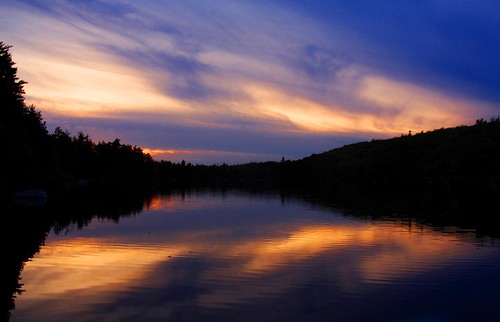
Saturday, March 21, 2009

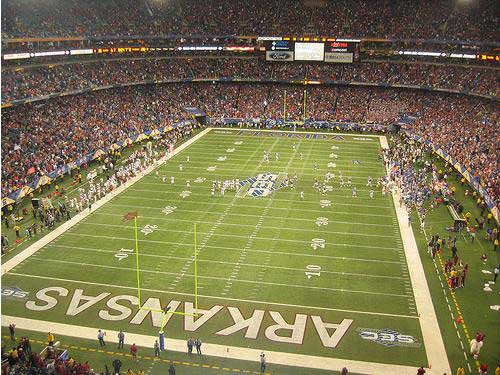
Arkansas


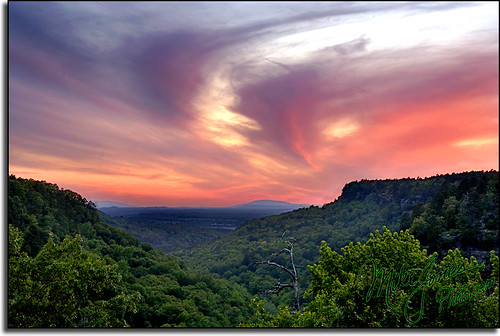
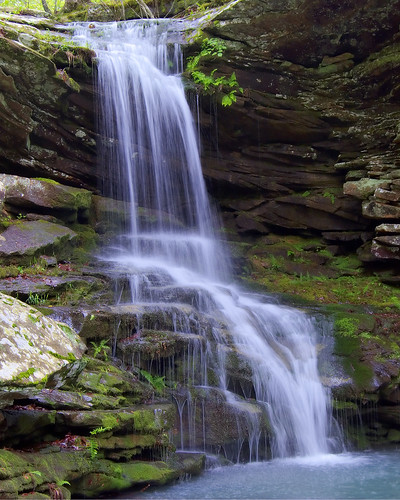
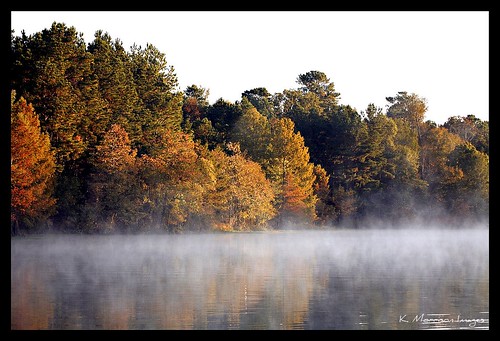
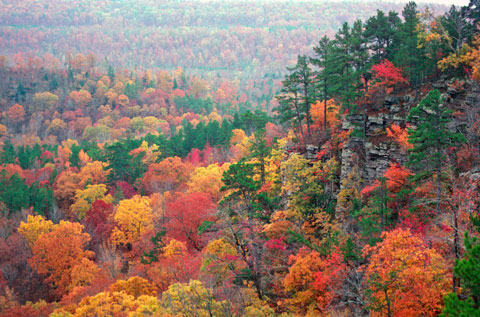
Arkansas has a varied landscape of plains, mountains, forests, rivers, cattle farms, industrial centers and oil wells. The main claims to fame of this State are the beauty of its outdoors and that former President Bill Clinton was the governor in Little Rock before moving to the White House – there are museums and exhibits dedicated to his life.

Little Rock is one of Arkansas’ earliest settlements and is a thriving place filled with museums, art exhibitions and parks. The glorious Ozark Mountains stretch from southern Missouri through northern Arkansas.

The region has the most continental climate of any area in the USA. Winters are cold and summers warm.
Lightweights for the summer and heavyweights for the winter.

  • Population
2.78 million (official estimate 2005).

  • Population Density
20.2 per sq km.

  • Capital
Little Rock.

  • Time
Central (GMT - 6). Daylight Saving Time is observed.


  • Nickname
The Natural State.


Friday, March 20, 2009

Arizona


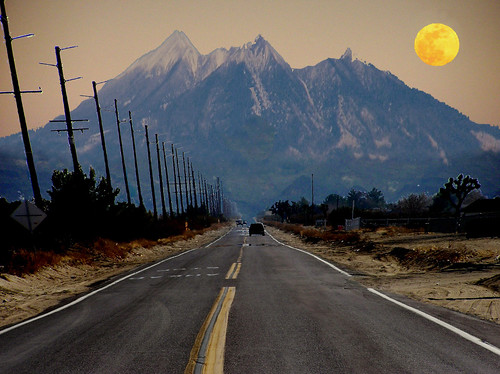
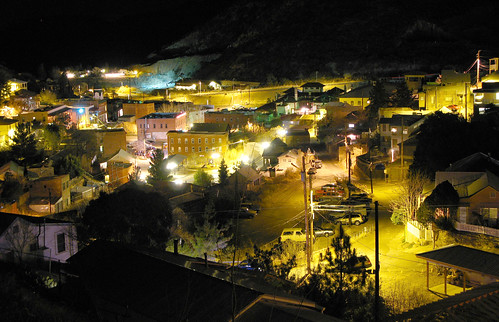
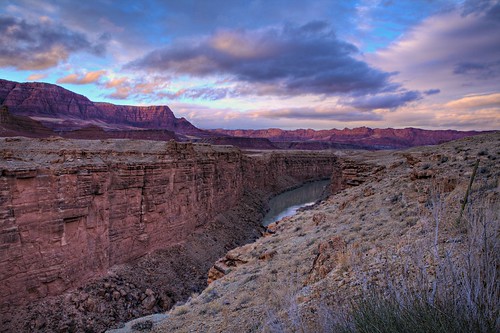
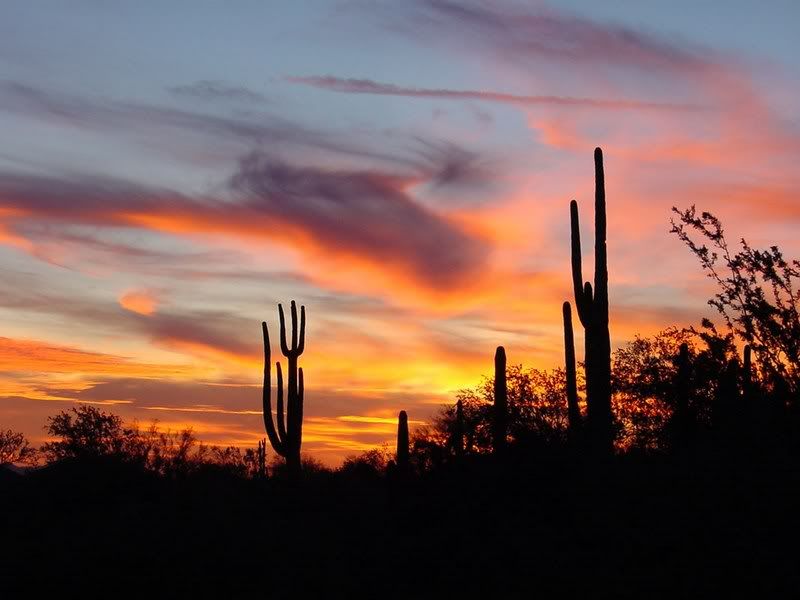
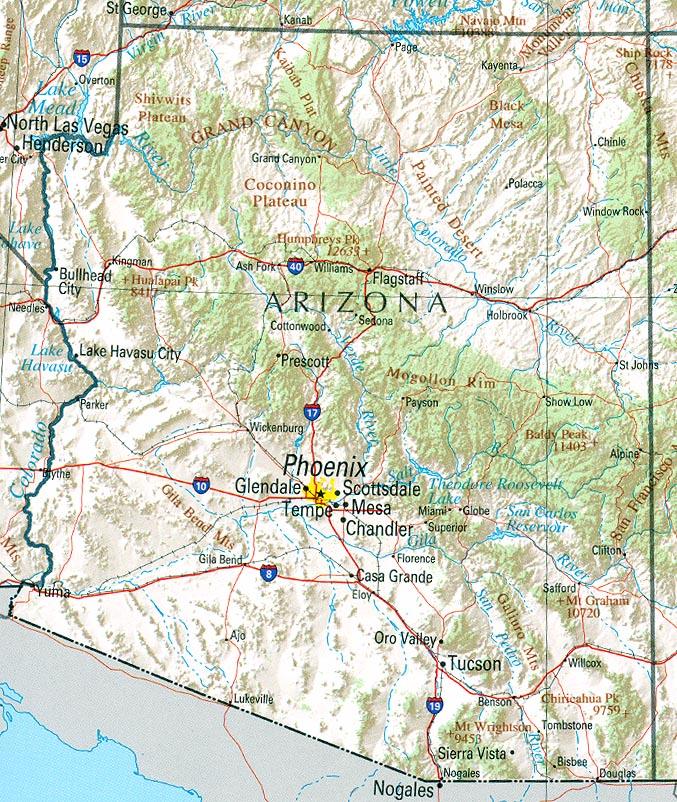
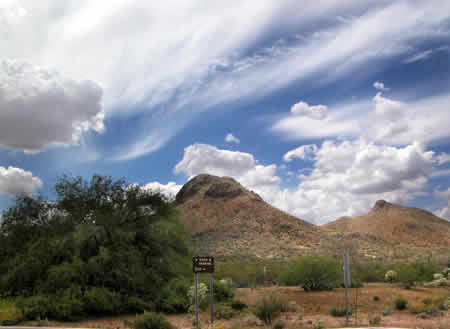
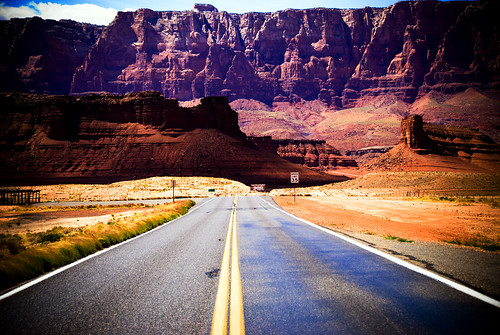
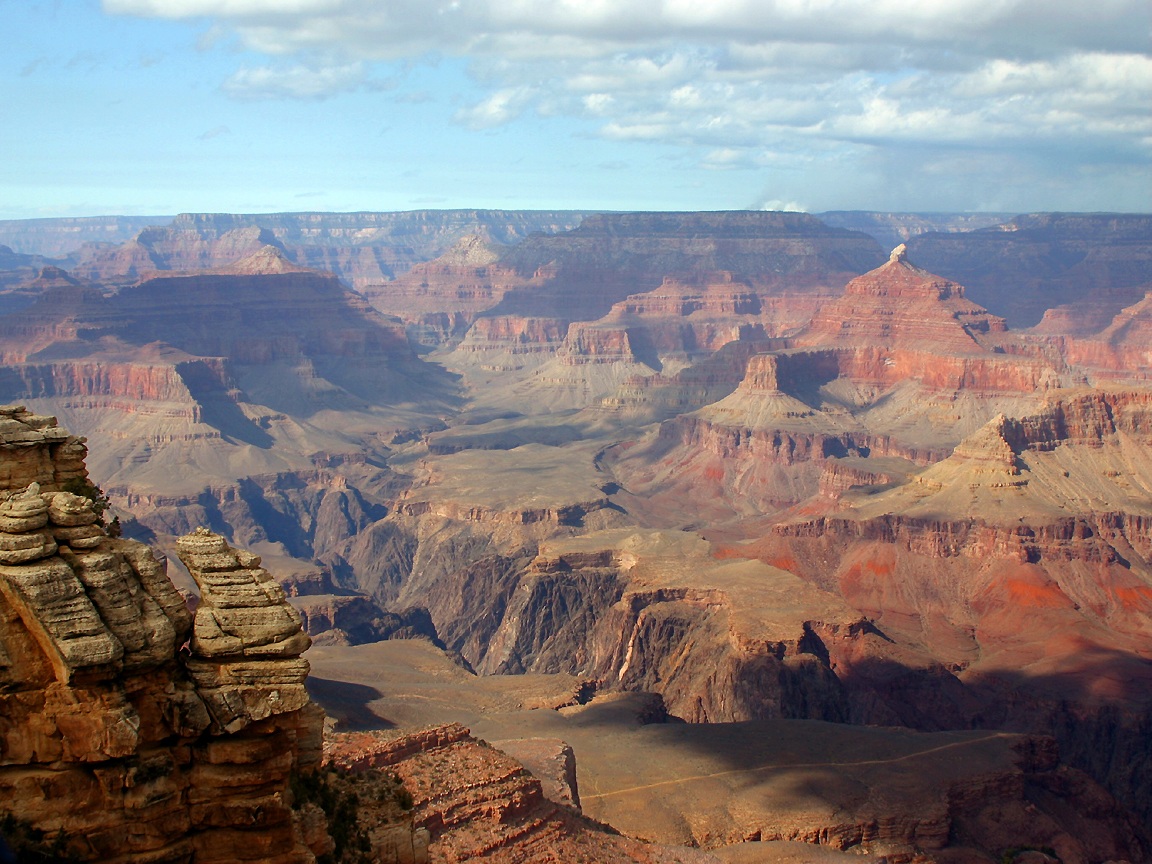
Arizona contains some of the most spectacular scenery in the whole of the USA. The Grand Canyon, the Painted Desert National Park and Petrified Forest National Park (comprising the Painted Desert in the north and Rainbow Forest in the south) are just some of the highlights.
Phoenix, the largest city in the State, shares borders with Scottsdale, the primary resort destination in Arizona. Both cities have a variety of accommodations and attractions, unique shopping, fine art galleries and many cultural events. The sixth-largest city in the USA and the capital of Arizona, Phoenix has enjoyed a growth in popularity recently, thanks to its improved airport facilities and a large investment in extensive urban redevelopment. Today, it claims to have more 5-star hotels than any other US city.
Tombstone is the site of the infamous shoot-out at the OK Corral.

  • Sport
Home games during the American football season are held at the Sun Devil Stadium in Tempe between the Arizona Cardinals and other visiting teams. The Arizona Cardinals will move into their new state-of-the-art stadium in Glendale for the 2006 NFL season. A number of Arizona cities provide the training ground for some excellent major-league baseball teams every March, although none could match the Phoenix-based Arizona Diamondbacks, who shine at the Bank One Ballpark. The Phoenix Suns play basketball in the America West Arena, where hockey games between thePhoenix Coyotes and visiting teams are held in winter.
Horse racing can be seen at Turf Paradise in Phoenix and Rillito Downs in Tucson. Car-racing takes place in Tucson at the Southwestern International Raceway and in Phoenix at Firebird Raceway and Phoenix International Raceway, where NASCAR races are held. Rodeos are popular in Arizona and there are over 25 major rodeo sites throughout the state. Skiing is available in the winter at The Arizona Snow Bowl near Flagstaff, Mount Lemmon (one hour outside Tucson) and Sunrise Ski Area outside Pinetop/Lakeside. Other sports available include archery, horseback riding, bowling, fishing, golf, hiking, hunting, swimming, river tubing, hang-gliding, ballooning and tennis.
  • Climate
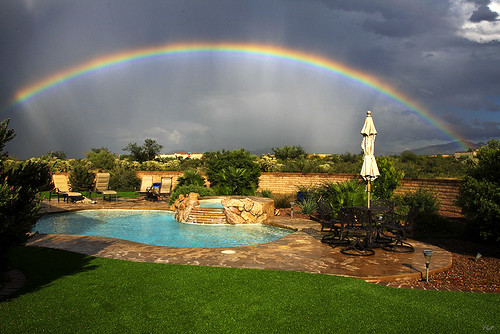
Mostly warm and comfortable all year round. Mountainous areas, such as Flagstaff at 2,134m (7,000ft), are colder, particularly in winter, and in summer, there are cool mountain breezes. Desert temperatures range from hot during the day to cold at night.
Lightweight cotton clothing for all seasons, with a wrap for cool nights. Warmer clothing is needed in the mountains, especially in the ski areas.
  • Nightlife
Most restaurants serve American or American/Continental food but Mexican, Chinese and Italian cuisine is also available, sometimes as a ‘Southwest style’ fusion using Mexican spices.
Regional specialties:
  • Salsa
  • Frijoles

Phoenix and Tucson have various nightclubs, and there is evening entertainment at many resorts in the area. Scottsdale’s nightlife is more concentrated, while the university crowd go out in Tempe, where there are good jazz clubs on Mill Avenue.

  • Population
5.94 million (official estimate 2005).

  • Population Density
20 per sq km.

  • Capital
Phoenix.

  • Time
Mountain (GMT - 7). Daylight Saving Time is not observed, except in the Navajo Indian Reservation.


  • Nickname

Grand Canyon State.


  • Greater Phoenix Area
The sixth-largest city in the USA and the capital of Arizona, Phoenix has enjoyed a growth in popularity recently, thanks to its improved airport facilities and a large investment in extensive urban redevelopment. Today, it claims to have more 5-star hotels than any other US city. Some of the more recent development projects in the city center include the extensive remodelling of the Phoenix Art Gallery; the downtown Copper Square area; the Arizona Science Center with its interactive exhibits; Heritage Square, with fine buildings from the late 19th century; the US$20-million, 225-suite Hilton Hotel, located in the central business district; the Arizona Center (an 8-block complex with a 600-room hotel, offices, restaurants, shops and entertainment); Patriots Square Park, in the center of Phoenix, with a sophisticated and spectacular laser light system that is visible for miles around; the restaurants and bars located in restored warehouses near the Bank One Ballpark (BOB); and the lively shops and restaurants of the Arizona Center. Sightseeing options include Encanto Park, Pueblo Grande Museum, Papago Park (including the Phoenix Zoo and Desert Botanical Garden), South Mountain Park and the recently expanded Heard Museum, devoted to the art, anthropology, history and Native American culture of Arizona.
The metropolitan area, home to over 3 million residents, is the 14th-largest in the USA and offers some 174 golf courses. Founded in 1888 and having a strong Western heritage, Scottsdale has matured into a mecca for lovers of relaxed lifestyles. Year-round sunshine makes the outdoors a way of life, with scores of tennis courts, swimming pools and an ever-increasing number of spas. Attractions include a new museum of contemporary art and Taliesin West, the home and workshop of the famous architect Frank Lloyd Wright. On the western edge of Phoenix, Glendale is known for its antique shops, while in the southeast are Mesa, the third-largest city in the State, and Tempe, known for the shopping and nightlife on pedestrianized Mill Avenue.

  • Lake Havasu City
Nestled amidst rugged desert peaks on the Colorado River, this city with a small-town feel became the new home of London Bridge in 1971. Dismantled stone by stone, the bridge was brought over from England and reassembled in Arizona, where it became the focal point for an array of English-style shops, pubs and lodgings. The city’s warm, dry climate ensures that swimming, fishing, jet boating, water-skiing and other watersports along the miles of public shoreline are a year-round possibility. Likewise, it has led to the growth of outdoor activities such as tennis, golf, hiking, rock climbing and mountain biking in the area, as well as jeep tours in the nearby Sonoran Desert and Mojave or Chemehuevi Mountains.

  • Sedona
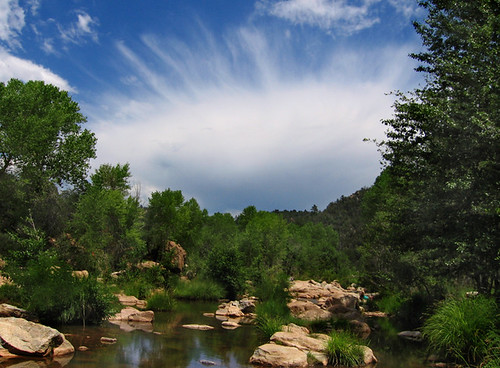
An attractive town nestled in the extraordinary red-rock formations and cliffs at the foot of Oak Creek, Sedona has a strong local arts and New Age scene and some celebrities have second homes here. The beautiful Oak Creek Canyon provides lush scenery, and there are prehistoric Native American ruins to be seen nearby. Jeep tours, hiking and mountain biking are also available.

  • Tucson
This popular winter resort is one of the fastest-growing resort cities in the USA. Surrounded by a ring of five mountain ranges in the Sonoran Desert, it is known for its constant sunshine; and its location, only 160km (100 miles) from the Mexican border, is apparent in its architecture, cuisine, lively fiestas and cultural festivals. The Tucson Children’s Museum, with many hands-on exhibitions, is a favorite with children and adults alike, as is the zoo at the Arizona-Sonora Desert Museum. Some 48km (30 miles) north of Tucson, visitors to the State can be dazzled, if not alarmed, by the gargantuan bubble that is Biosphere 2 - a Plexiglas bubble laboratory containing five separate and self-contained ecosystems. It was designed to help scientists colonise Mars but a series of mishaps has plagued this project; even sightseers do not come in their crowds any more (during the early 1990s it was one of the State’s most popular attractions). It is nevertheless worth a look, if only from afar. Guided tours are available.

  • Yuma
As the best site for crossing the Colorado River, Yuma has long been an important transport center. The Yuma Territorial Prison, with cells carved out of the rock, is Arizona’s most visited State Historic Park. From 1876 to 1909, it housed many of Arizona’s most dangerous and notorious criminals. Fort Yuma was built in 1851 during the gold rush to protect settlers and the southern route to California. The St Thomas Mission, the Quechan Indian Museum and the Yuma Crossing State Historic Park are other popular attractions.

  • Apache Trail
Passing through arid deserts, winding canyons, looming buttes, glistening lakes and the ominous volcanic dome known as Superstition Mountain, the Apache Trail is an extraordinary scenic drive. Attractions include Goldfield Ghost Town and Mine Tours, Superstition Mountain Museum, Lost Dutchman State Park, Tortilla Flat (an old stagecoach stop offering ‘killer’ chilli and prickly-pear cactus ice cream), Roosevelt Bridge and Tonto National Monument (well-preserved cliff dwellings occupied 500 years ago by the Salado Indians and featuring examples of their weavings, jewelry, weapons and tools).

  • Grand Canyon
The jewel of the National Park Service and a World Heritage Site, the Grand Canyon’s impact is awe-inspiring. This massive rend in the earth may be experienced in a variety of different ways: by airplane or helicopter, from the back of a mule, on foot or aboard a raft. For those wanting to catch a memorable sunrise or sunset, it is worth booking accommodation at one of the hotels in and around the canyon. As the area is far from any city, those wanting to save time and see it all can take a ‘flightseeing’ trip over the canyon. Further information is available from the Grand Canyon Chamber of Commerce (tel: (928) 527 0359; website: www.grandcanyonchamber.org).
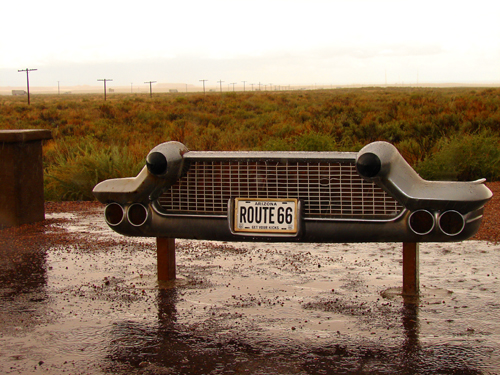
The most common way to get there is by car from either Phoenix or Las Vegas (see the Nevada section), or to use the town of Flagstaff (tel: (800) 842 7293 or (928) 779 7611; website: www.flagstaffarizona.org), on the historic Route 66, as a base (travel time – 90 minutes). The planet Pluto was discovered at the Lowell Observatory here.

  • Lake Powell
Many tour boats ply the waters of the second-largest manmade lake in the USA. The most popular option, however, is to hire a houseboat and float serenely past the scenic wonderland of red rocks. Well worth seeing is the Rainbow Bridge, a spectacular natural stone bridge on the Navajo Reservation (see below), which most visitors travel to by boat. Information is available from Lake Powell Resorts & Marinas (tel: (800) 528 6154 or (602) 278 8888; website: www.visitlakepowell.com).
  • Native American Reservations
The Navajo Reservation spreads over more than 64,750 sq km (25,000 sq miles) and is home to 250,000 Navajos. Once a semi-nomadic people, they are known for their adaptability and have incorporated many skills into their culture from the Spanish and early settlers. They traditionally lived in hogans (dome-shaped houses of log and adobe) in small, scattered settlements. Nowadays, visitors are more likely to meet a Navajo as a guide on a horseback ride in the Canyon de Chelly National Monument or on one of the jeep tours through Monument Valley, where a number of John Wayne films were shot.
In the middle of the Navajo Reservation sits the Hopi Reservation, comprising 6475 sq km (2500 sq miles) and accommodating 7000 Hopis. They have lived in the region for 1500 years and are known for their amazing agricultural talents in farming dry and difficult land. The Hopis live in snug pueblo-style villages on top of three mesas. This area is treasured for its outstanding natural beauty.

  • Tombstone
Tombstone owes its enduring appeal to the brief showdown at the OK Corral, and movies such as Wyatt Earp and Tombstone mean that it has retained its popularity. This notorious town plays on its past with restored sites and attractions like the Boot Hill Cemetery, the Crystal Palace Saloon, the Bird Cage Theater and even has its original newspaper, named the Tombstone Epitaph. Re-enactments of famous gunfights are played out each day.


Thursday, March 19, 2009

Maine


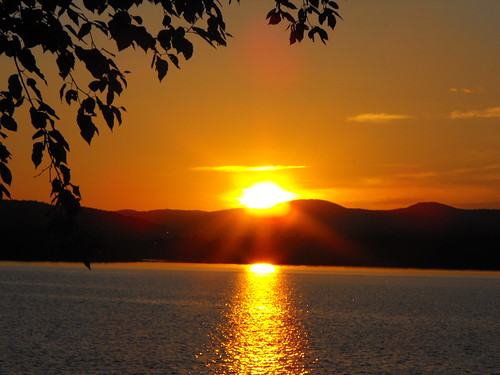
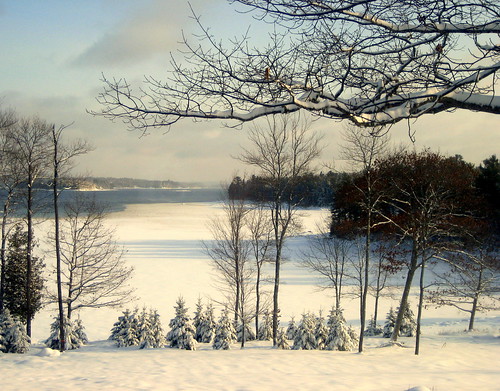
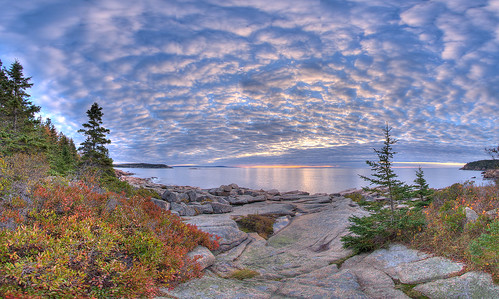
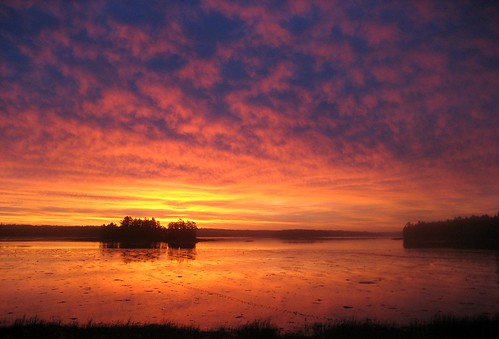
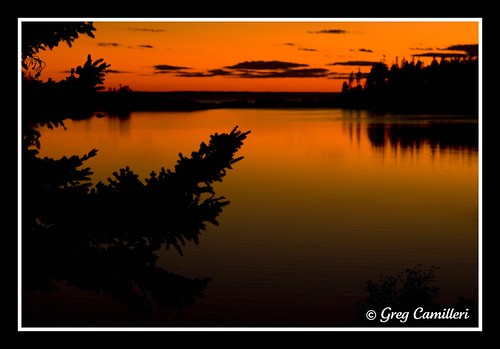
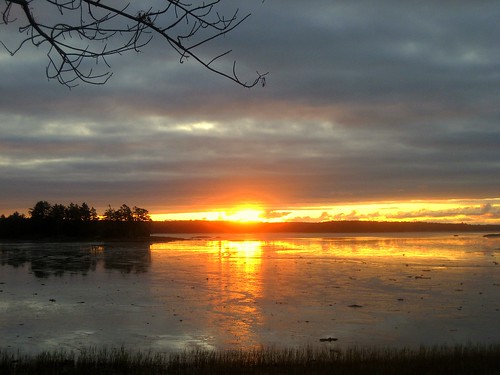
The picturesque New England state of Maine lies in the easternmost reaches of the United States, bordering on the Canadian provinces of Quebec and New Brunswick. Similar to its Canadian neighbors, Maine is a lovely contrast of rugged coastline dotted with picture perfect lighthouses, fishing villages and sandy beaches, and an interior covered with lush forest, towering mountains and mirror-like lakes.
Maine is the largest state in the New England area, but remains one of the most sparsely populated states in the country, creating a wide expanse of unspoilt wilderness. The original inhabitants of the area were Native Americans of the Algonquin group, while European settlement by the French occurred in 1604. Over subsequent years, control of the region was fought over by the English, French and the Americans - evidence of which remains in the large number of historic forts still standing today. The strong Acadian and French Canadian heritage of the area can still be felt, particularly in the Acadian Village in Aroostook county and other parts of central Maine, while the coast boasts a fierce maritime heritage.
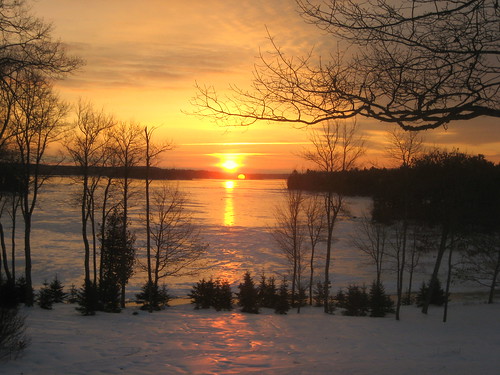
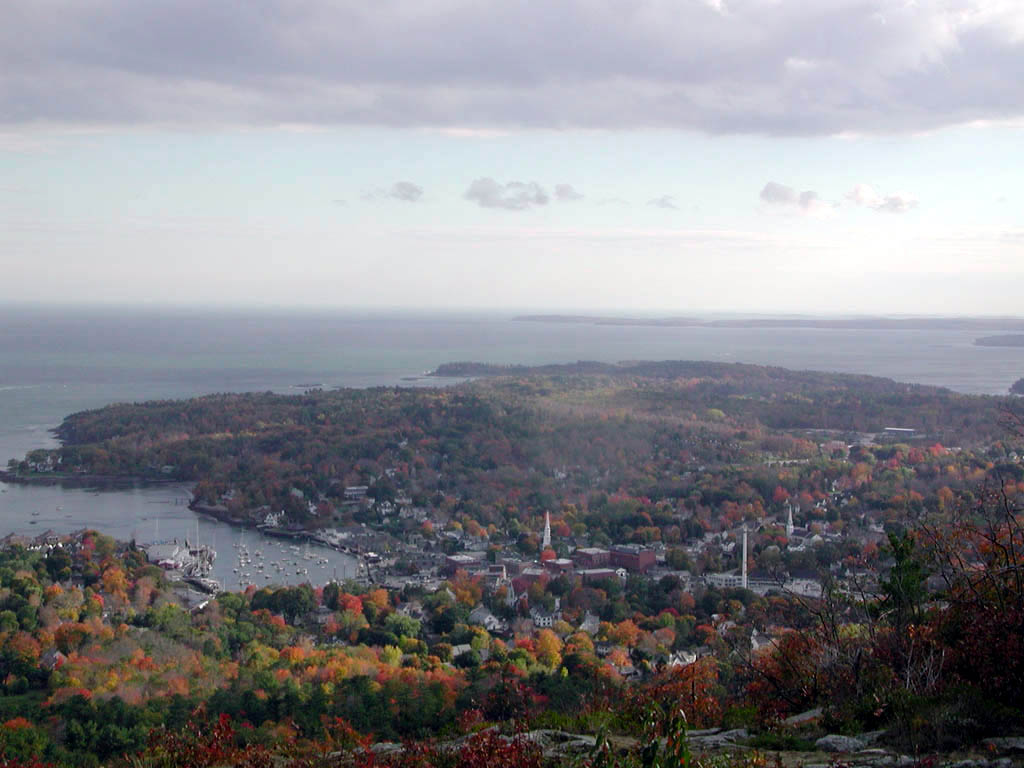
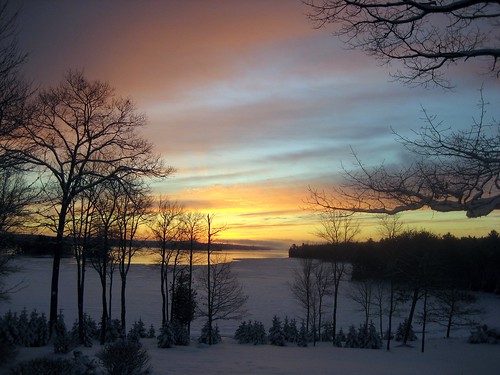
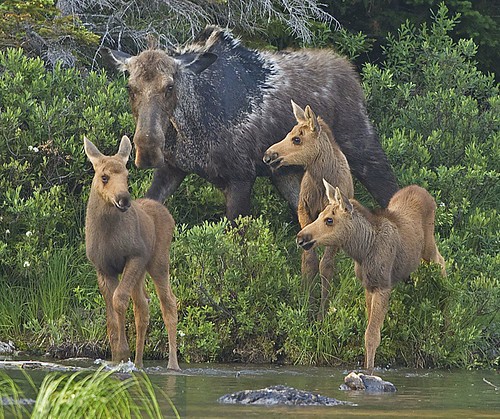
The warmer months bring a flood of holidaymakers to Maine and summer homes pepper the landscape. With plenty of outdoor activities, this is the nature lover's and outdoor enthusiast's paradise. The state experiences harsh winters, but this brings its own charms. Snowboarding, skiing and snow-shoeing replace the summer activities of canoeing, kayaking, camping and hiking. In true New England style, autumn brings a festival of colors to the foliage and spring is a riot of blossoms. The Acadia National Park, on Maine's Mount Desert Island, provides an opportunity to enjoy the spectacular beauty of the state, as well as its wildlife and birdlife.
History buffs can enjoy plenty of historical sites, including visits to the house of poet and Maine native Henry Wadsworth-Longfellow; food lovers can feast on the region's fine seafood and blueberries, and city lovers can roam the streets of the capital Augusta and the bustling city of Portland. Maine is big, beautiful and charming, and is well worth exploring from top to bottom, whatever the season.

Maine has a continental climate, with cold winters and warm summers. Winter temperatures drop between 20°F and 30°F (about -4°C), while summer temperatures range between 80°F and 90°F (30°C and up). The northern part of the state tends to be drier and colder in comparison to the southern and coastal areas, while the sea keeps the coastal temperatures moderate. Snowfall occurs in winter.


  • Portland (Maine)
Portland is Maine's biggest city and is the state's cultural and economic hub, attracting over three and a half million visitors each year. Originally a fishing and trading settlement, the town was destroyed three times over a hundred year period, and finally regained stability as a shipping port.
Unfortunately, over-zealous Independence Day celebrants managed to set fire to most of the city's commercial buildings, hundreds of houses and roughly half the city's churches in 1886, causing it to be rebuilt once again, this time in a Victorian style. Spectacular examples of this architecture can be found in the mansions set along the famous Western Promenade.
Despite its tough beginning, Portland remains a beautiful city, ideally situated on a peninsula that juts out into Casco Bay, flanked by several small islands. Historic architecture blends with modern amenities and the city is a bustle of activity, making it one of the country's top cities to live in. Resplendent in natural beauty, Portland is highly popular in summer and visitors can enjoy boat rides; walks, shopping and dining at the Old Port historic waterfront; a visit to the Downtown Arts District or to the prominent Portland Head Light Lighthouse. The home of poet Henry Wadsworth-Longfellow is also well worth a visit, as is the Maine History Gallery, and for the kids, there is the Children's Museum of Maine.
Portland is a wonderful city to visit in its own right, with plenty of attractions, activities and sights for the visitor, and it is also a useful base from which to explore the rest of this beautiful state.
Getting Around: Portland is relatively easy to negotiate on foot, with plenty of attractions within walking distance of each other. The Old Port is worth exploring on foot, as is the Downtown Arts District. A car is worth hiring if exploring surrounding areas and parking is readily available within the city with free 'park and shop' options available at downtown parking garages. Tickets can be stamped for an hour's free parking at a number of downtown locations. The Portland Explorer Bus is another easy option, particularly for tourists. Operating from May to October, a ride is $2 (children under 12 ride free) and the bus connects major tourist attractions and several hotels.


  • Mount Desert Island
Home of the Acadia National Park, Mount Desert Island is a breathtaking place off the south east coast of Maine. The island is one of America's biggest, with a population of about 10,000. This population is swelled annually by roughly four million visitors who come to marvel at the rugged coastline, beautiful scenery and slow pace that have captivated people since the 1800s.
Evidence of Native American settlement on Mount Desert Island dating back roughly 5,000 years can be found in large shell heaps, though not much is known about the island's early history. Like the rest of Maine and surrounds, the island's European settlement was originally French, which was then later dominated by the English.
In the early 1800s, a group of writers and artists known as the 'rusticators' (due to their braving of the very basic accommodation and simple fare) began to put Mount Desert Island on the map, immortalising its lush forest, tall peaks (in particular Mount Cadillac) and its ocean scenery. Soon the island began to lure America's wealthiest families and the Rockefellers, Astors, Vanderbilts and the like soon set up ostentatious summer homes and a period of extravagance followed, tempered only by World War II. Fortunately, relaxation combined with conservation and many of these families enabled the protection of the island's flora and fauna by the creation of parks.
Today, Mount Desert Island is still a popular place to visit and offers plenty of activities such as hiking, fishing, watersports, horseriding and cycling; succulent Maine Lobster, and plenty of relaxation. Bar Harbor is a picturesque town, close to the Acadia National Park and worth a visit in its own right. Bar Island is accessible on foot from the pier at Bar Harbor, and the Shore Path showcases the island's spectacular scenery. When visiting Maine, an excursion to this island gem is an absolute must.
Getting Around: The Island Explorer fare-free shuttle operates late June to Columbus Day, stopping between various lodges and campgrounds on the island and in Acadia National Park. Visitors are required to purchase an entrance pass to the park.

  • Portland Head Light
City/Region: Portland (Maine)
It is no surprise that the Portland Head Light lighthouse is the most photographed lighthouse in the world. Every view of this 18th century lighthouse is spectacular. The lighthouse took four years to build and was completed in 1791. The lamps originally used to power the light were of whale oil, replaced by an autobeacon in 1958. The lighthouse is situated in Fort Williams Park and has an interesting museum housed within the old lighthouse Keepers Quarters. It is well worth packing a picnic and enjoying the beauty of the park and exploring the historic forts within its parameters.
Address: 1000 Shore Road, Cape Elizabeth
Phone Number: (207) 799 2661
Email Address: cephl@aol.com Website: www.portlandheadlight.com
Hours: Daily 10am to 4pm. Museum opening hours differ according to month, see website for more details
Admission: $2 (adults); $1 (children 6-18)
  • Wadsworth-Longfellow House
City/Region: Portland (Maine)
Built between 1785 and 1786, the Wadsworth-Longfellow house was home to three generations of a Portland family that formed an integral part of the cultural, political and literary life of New England and the rest of the country. Revolutionary War General Peleq Wadsworth was its first inhabitant and Anne Longfellow Pierce (younger sister of poet Henry Wadsworth-Longfellow) its last. It was Anne's foresight that left the house, grounds and furniture to the Maine History Society, allowing public access. The house was the first brick building in Portland and visitors can enjoy a ramble through the three-story house (containing effectively all original furniture and artifacts) and the Maine Historical Society Museum. Several different tours are also available throughout the year.
Address: 489 Congress Street
Phone Number: (207) 774 1822
Email Address: info@mainehistory.org
Website: www.mainehistory.org/house_overview.shtml
Hours: House and garden guided tours: Monday to Saturday 10am to 5pm; Sundays 12pm to 5pm (May to October); Museum: Monday to Saturday 10am to 5pm
Admission: $7 (adults); $3 (children). Prices include Museum admission. Concessions available

  • Downtown Arts District
City/Region: Portland (Maine)
Stretching from upper Congress Street to the West End, the Arts District incorporates several galleries and museums, including the Portland Museum of Art, the largest of its kind in Maine and dating back to 1882. A great way to explore the Arts District is by participating in the First Art Walk - a self-guided tour that runs on the first Friday of every month from 5pm to 8pm. Local businesses, museums and galleries are open to the public and aim to highlight what is new in the art community. The Portland Art Museum offers free admission for the Art Walk.
Address: Upper Congress Street to the West End. Portland Museum of Art: 7 Congress Square
Phone Number: Portland Museum of Art: (207) 775 6148
Email Address: info@portlandmuseum.org
Website: www.portlandmuseum.org
Hours: Portland Museum of Art: Tuesday to Thursday, Saturday and Sunday 10am to 5pm; Friday 10am to 9pm
Admission: $10 (adults); $4 (children 6-17). Fridays free between 5pm and 9pm

  • Acadia National Park
City/Region: Mount Desert Island
The Acadia National Park encompasses 60 square miles (155 sq km) of rugged coastline, forest, granite peaks, lakes and plenty of wildlife. Roughly four million visitors flock here each year to drink in the beauty of the park, hike up Mount Cadillac, spot wildlife or enjoy a ranger-led program. Summer is a popular time to visit, but winter offers cross-country skiing and snow-shoeing (though several roads close due to snow), and of course autumn is a spectacle of color. Acadia National Park remains one of the most visited parks in the United States.
Phone Number: (207) 288 3338
Website: www.nps.gov/acad
Transport: The Island Explorer fare-free shuttle operates late June to Columbus Day, stopping at lodges and campgrounds on the island and parts of the park; an entrance pass for the park is required to ride the shuttle
Hours: Park open daily. Hulls Cove Visitor Center: open mid-April to October 8am to 4.30pm, closing at 6pm in July and August
Admission: From May to October: $20 per vehicle, $5 for individuals, for 7-day pass (23 June to October), $10 the rest of the season


Twitter Delicious Facebook Digg Stumbleupon Favorites More

 
Design by Free WordPress Themes | Bloggerized by Lasantha - Premium Blogger Themes | GreenGeeks Review